We were down more than a hundred and then up more than a hundred. Now we’re up ~30 — but that will likely change a great deal by the end of this post. I find it nearly impossible to trade volatility like this. It’s best to pick a damn bias and stick with it.
Due to Trump’s retarded White House, the steel tariffs have been delayed. As such, gains in the steel sector have been tempered.
Meanwhile, Greenspan is once again warning of a bond bubble.
So a 2% rise in rates equals ~$400b extra in interest payments for US govt. Here's Greenspan saying we're in a bond market bubble, insisting rates will go higher. If CPI is benign, can someone tell me why would be self inflict a wound like this? Fuck the Fed. pic.twitter.com/hYfMQeTsVh
— The_Real_Fly (@The_Real_Fly) March 1, 2018
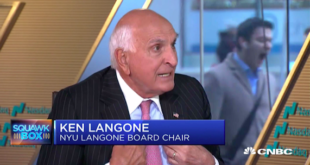
“We are in a bond market bubble” that’s beginning to unwind, he said on “Squawk on the Street,” as new Fed Chairman Jerome Powell appeared on Capitol Hill for the second time this week. “Prices are too high” on bonds, Greenspan added. Bond prices move inversely to bond yields, which spiked higher in the new year, recently hitting four-year highs of just under 3 percent.
“As real long-term interest rates rise, stock prices fall,” Greenspan said, but added that’s probably not the cause of the recent wild market swings.
“The last few weeks are responding to the good part of the tax cut,” he said, meaning that any tax-cut inspired economic growth could increase inflation, which Wall Street worries could result in the Fed raising rates more aggressively than the projected three hikes for this year to tamp down rising prices and wages.
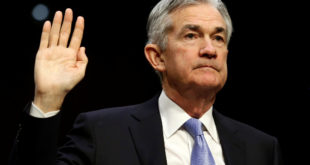
And new Fed Chair Powell made some comments on wages and interest rates.
Comments »“We don’t see any strong evidence yet of a decisive move up in wages. We see wages by a couple of measures trending up a little bit, but most of them continuing to grow at two and a half percent,” he said. “Nothing is suggesting to me that wage inflation is at a point of accelerating. I would expect that some continued strengthening in the labor market can take place without causing inflation.”
“By continuing to gradually raise interest rates over time, we’re trying to balance those two things and achieve inflation moving to target but also make sure the economy doesn’t overheat,” he said. “There’s no evidence that the economy is currently overheating. But that’s really the path that we’ve been on. My expectation is that that will continue to be the appropriate path as long as the economy continues to perform this way.”