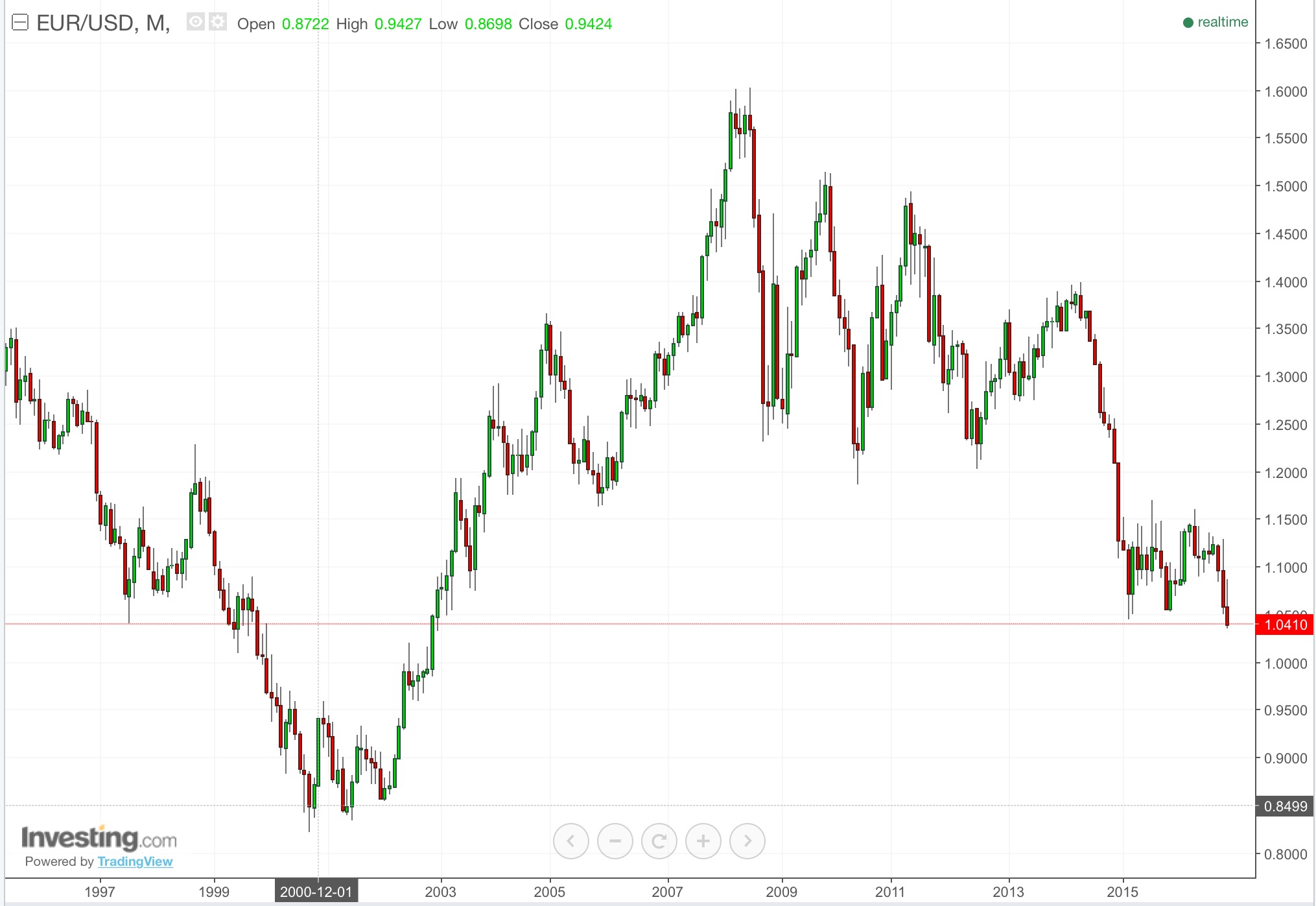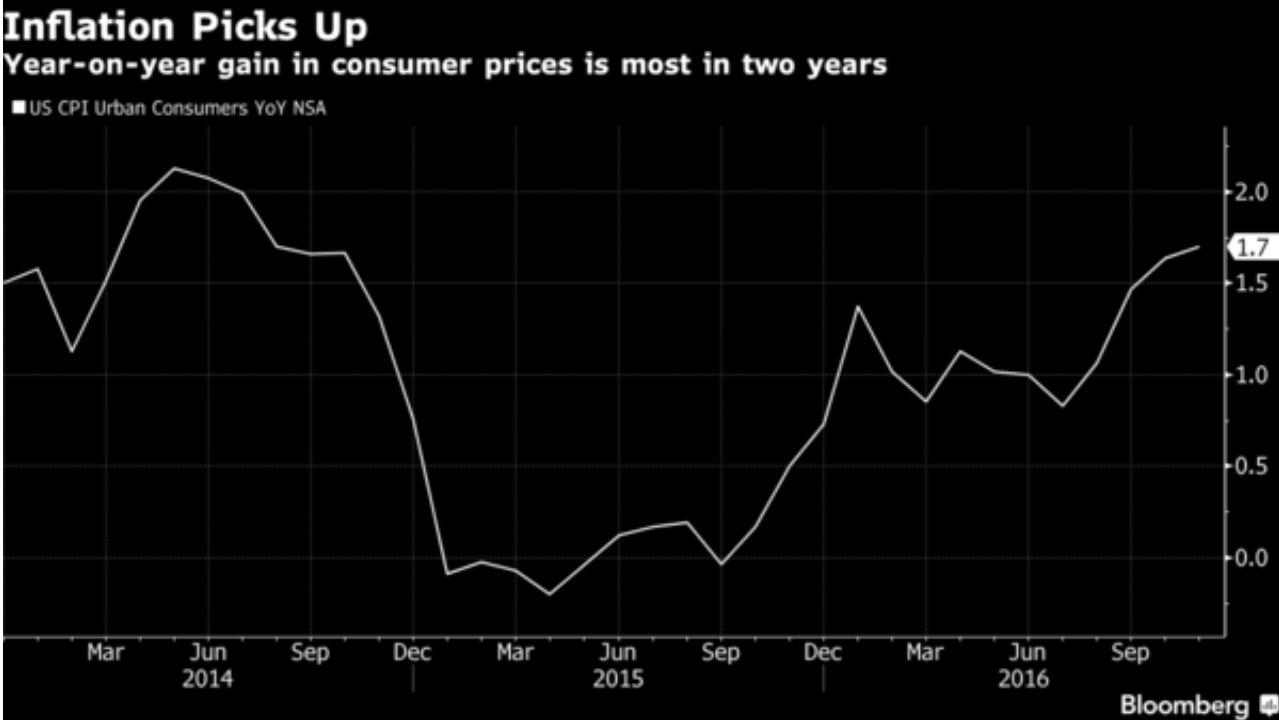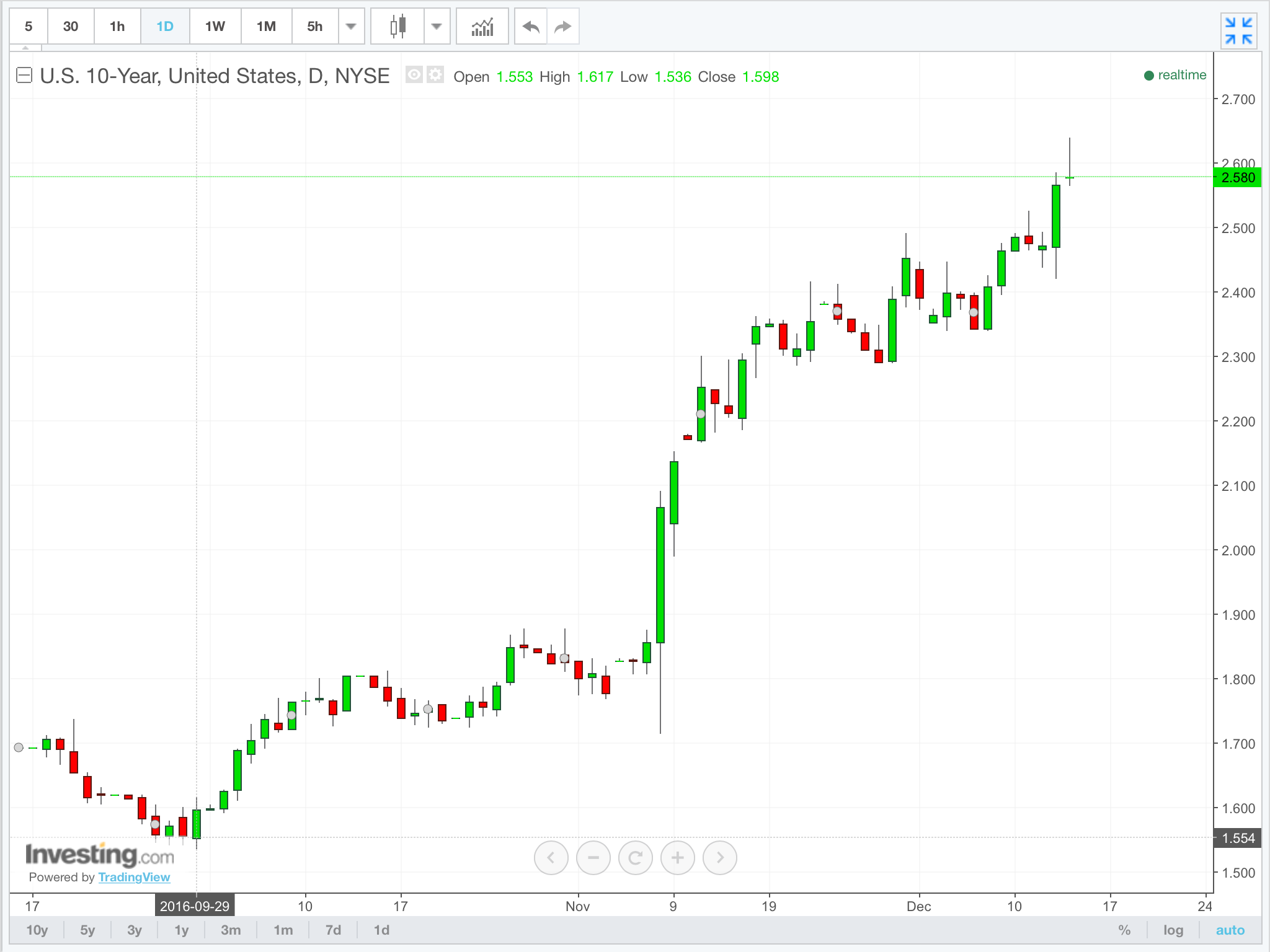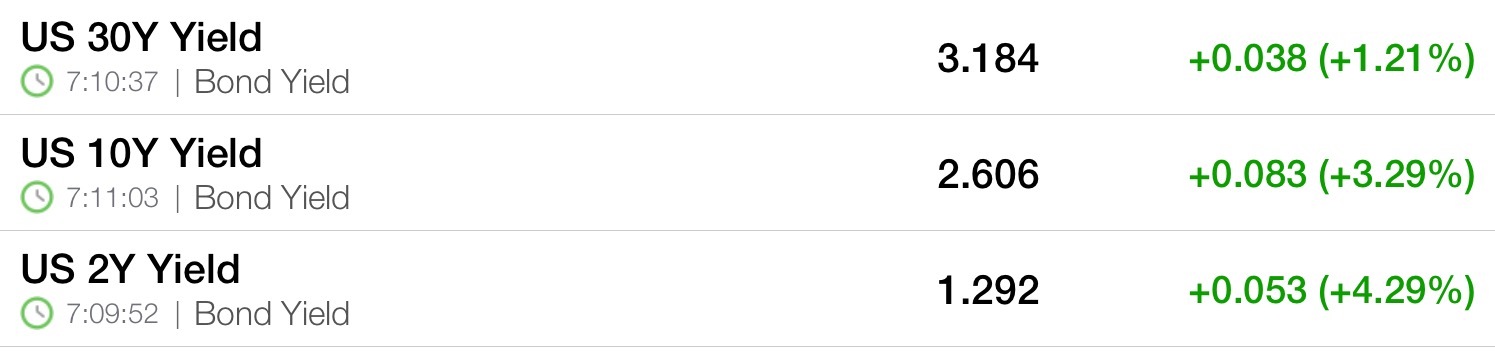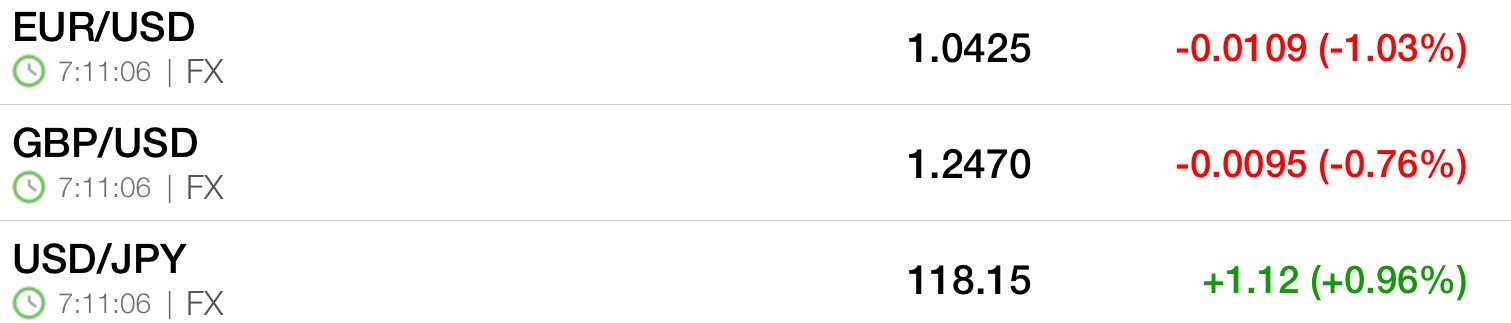


Not only is our Fed hiking rates into a suspect economy, they’re also doing it while our European partners in crime are easing via QE. This divergence has resulted in a 66 basis point spread between the Fed and ECB.
Deutsche Bank analyst, George Saravelos, thinks the dollar supremacy will continue, well into next year, punishing the euro to fall well below parity.
Australia and New Zealand are the only other G-10 countries with higher rates, and both of them are literally retarded kangaroo punchers.
“Historically, it is not only the direction of U.S. yields that matters for the dollar but also the absolute level,” Saravelos wrote in a note to clients on Friday. “When the USD joins the ranks of the high-yielders – defined as having at least the third highest central bank yield in the G-10 – it typically rallies very strongly.”
“The last time this happened for more than a few months was in 1979 and 1997; the dollar rallied by 30 percent and 20 percent respectively,” he added.

I’m in agreement with this analysis and believe a much stronger dollar will have a profound impact on the investing landscape. For one, look for the $RUSL to outperform all indices, since just 20% of business comes from overseas.
I don’t believe this will hurt $TLT, as much of the hawkish Fed policy is already baked into the long end of the curve. The main pressure and risks lies in shorter durations.
Gold and silver will get bludgeoned.
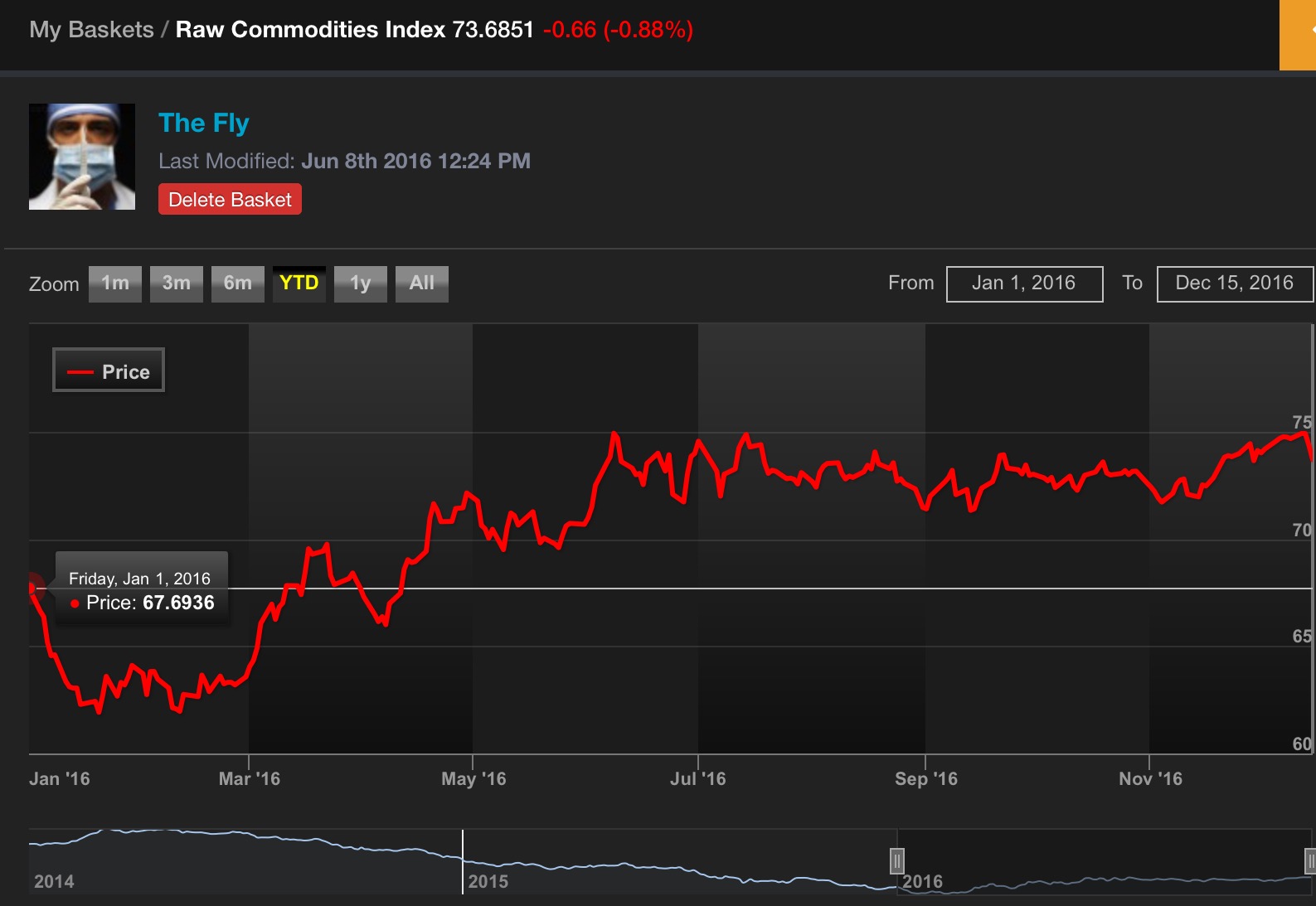
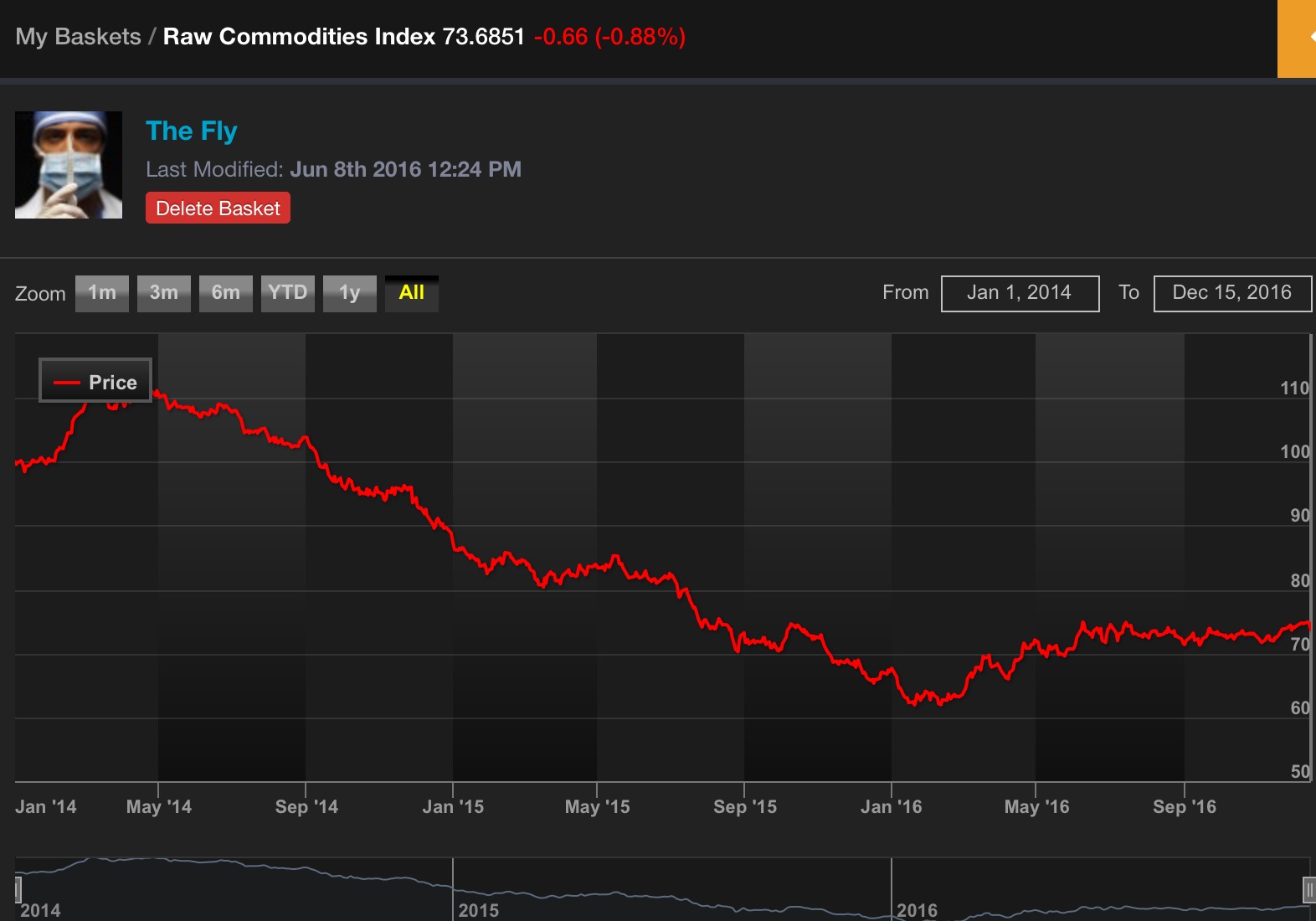
Oil and other major commodities will come under pressure.
Foreign investors will flock to our shores, in order to gain access to our markets and currency.
The last time the dollar ran like this was in the late 90s, a period that is considered one of the best eras in investment history — noted for its dot com bubble.
Comments »