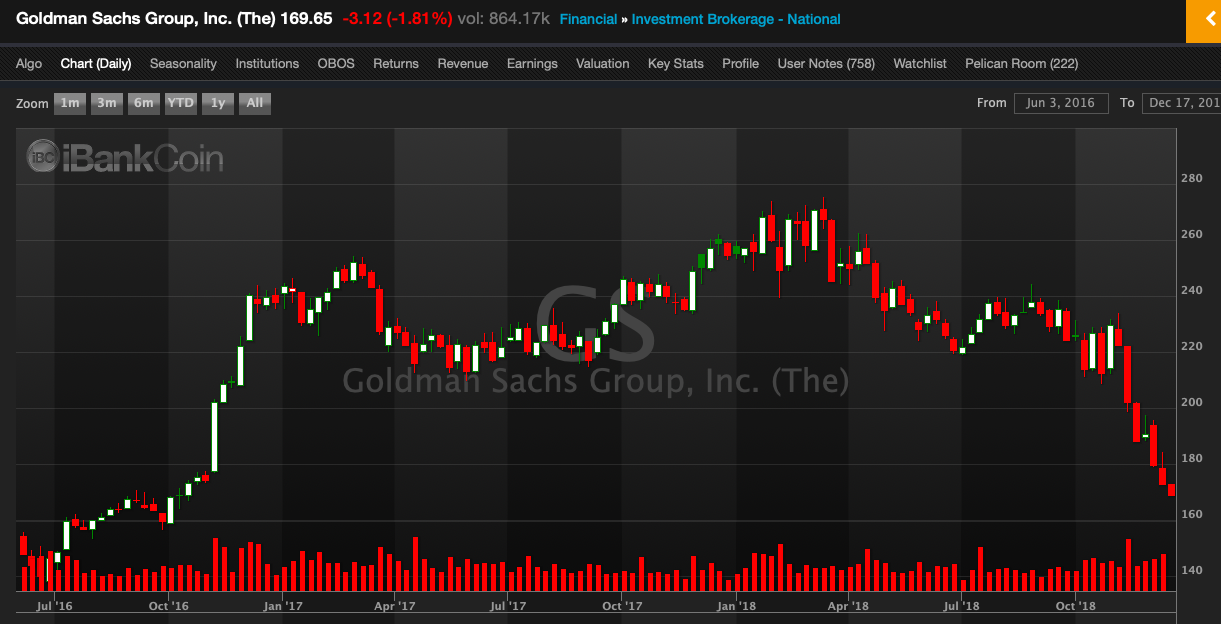
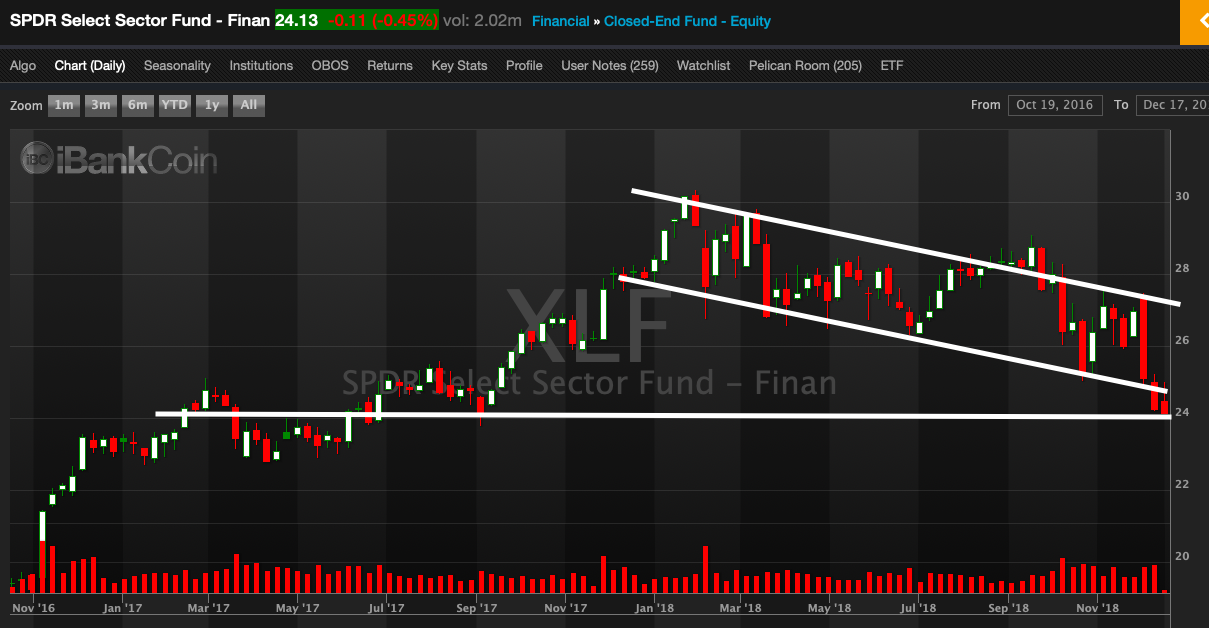
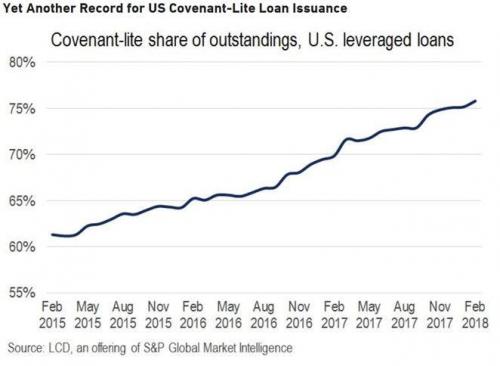
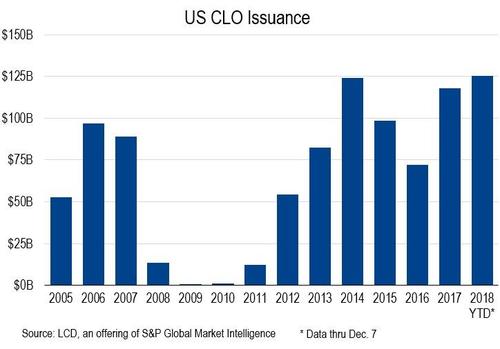
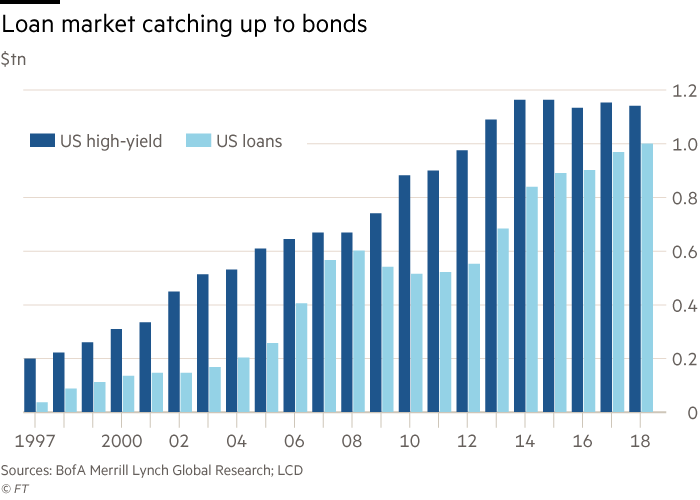
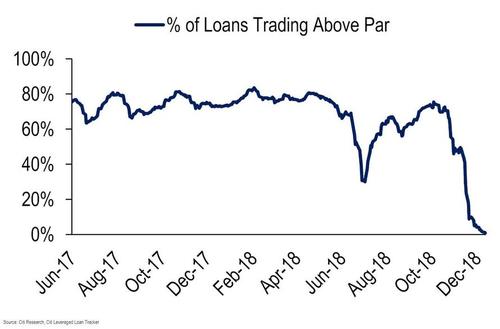
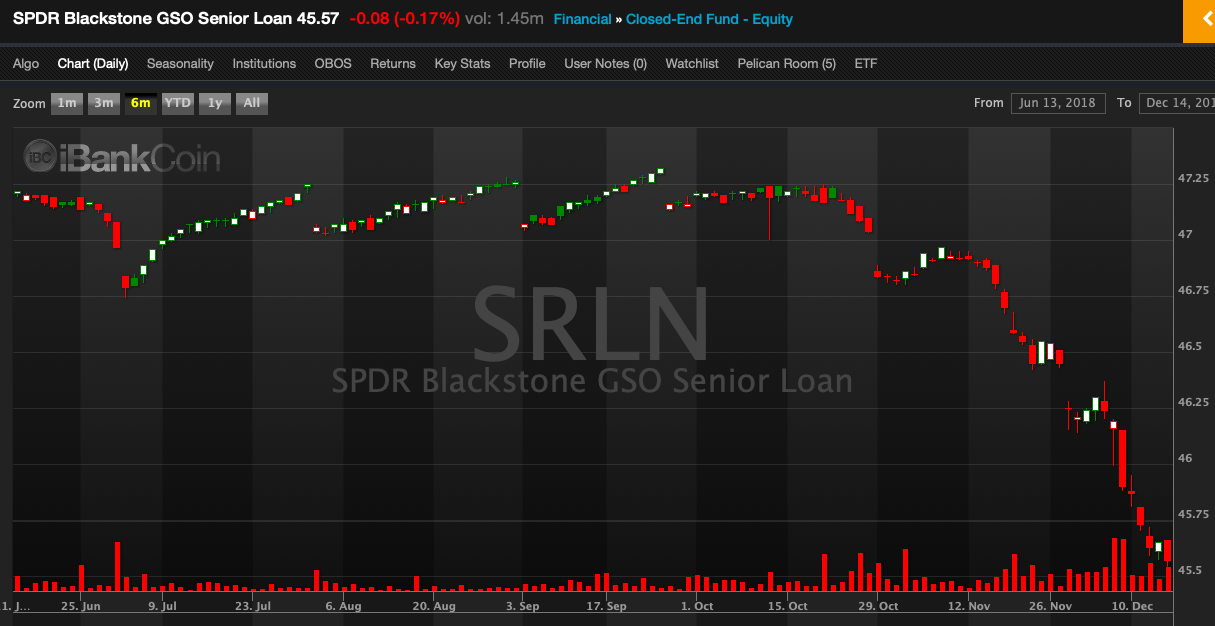
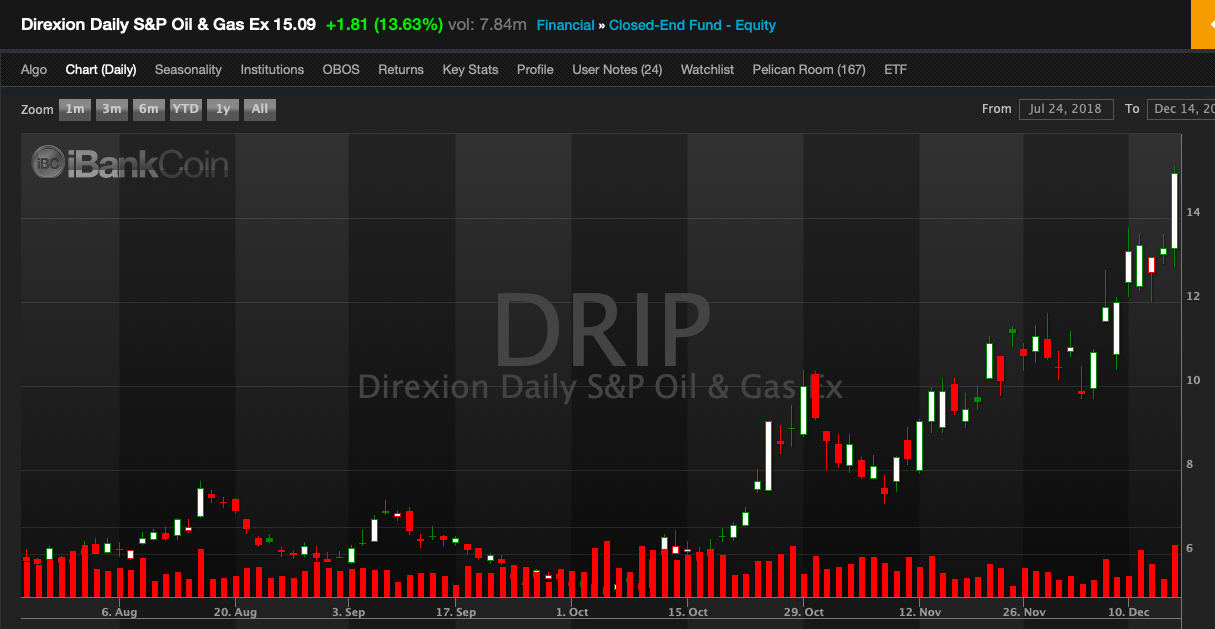
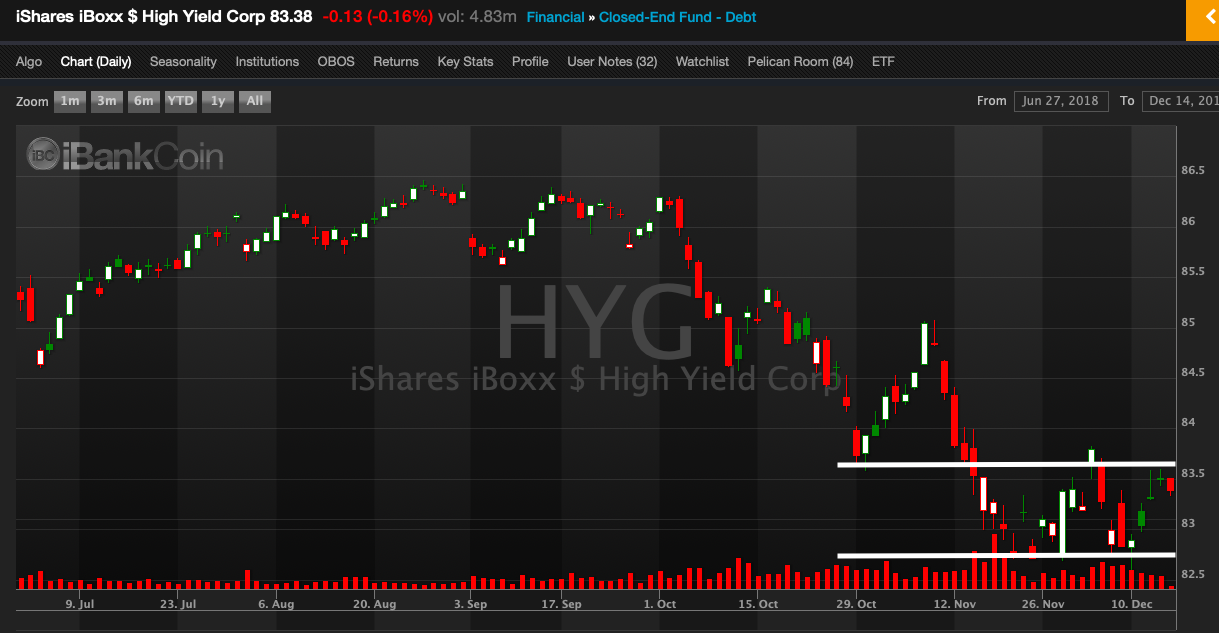
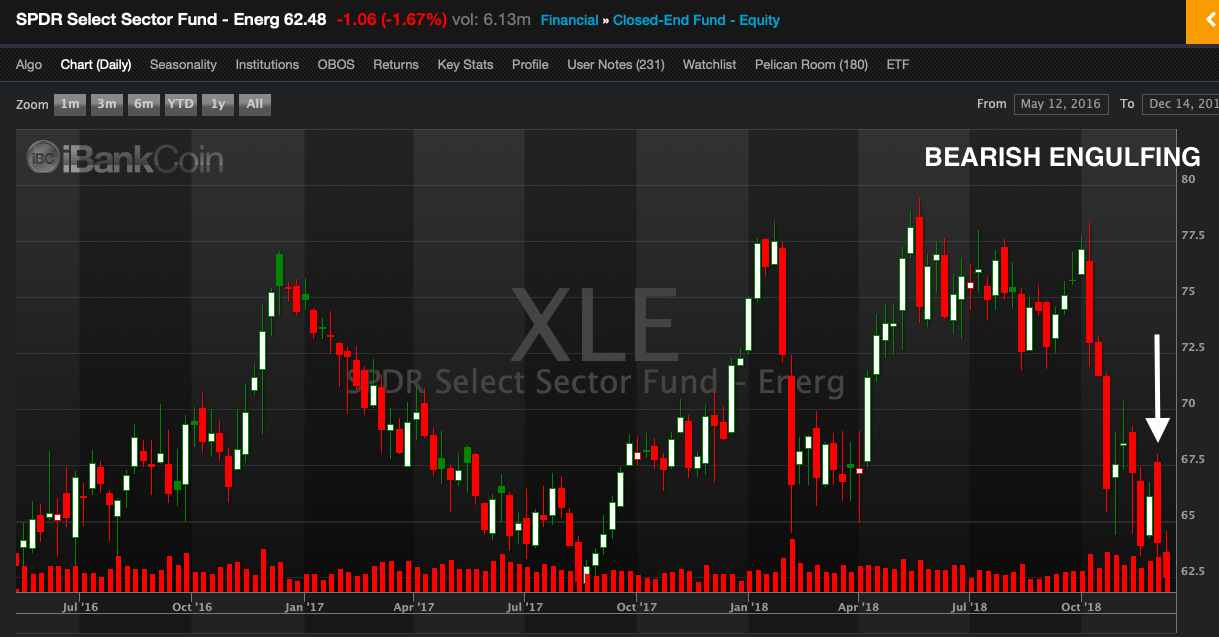
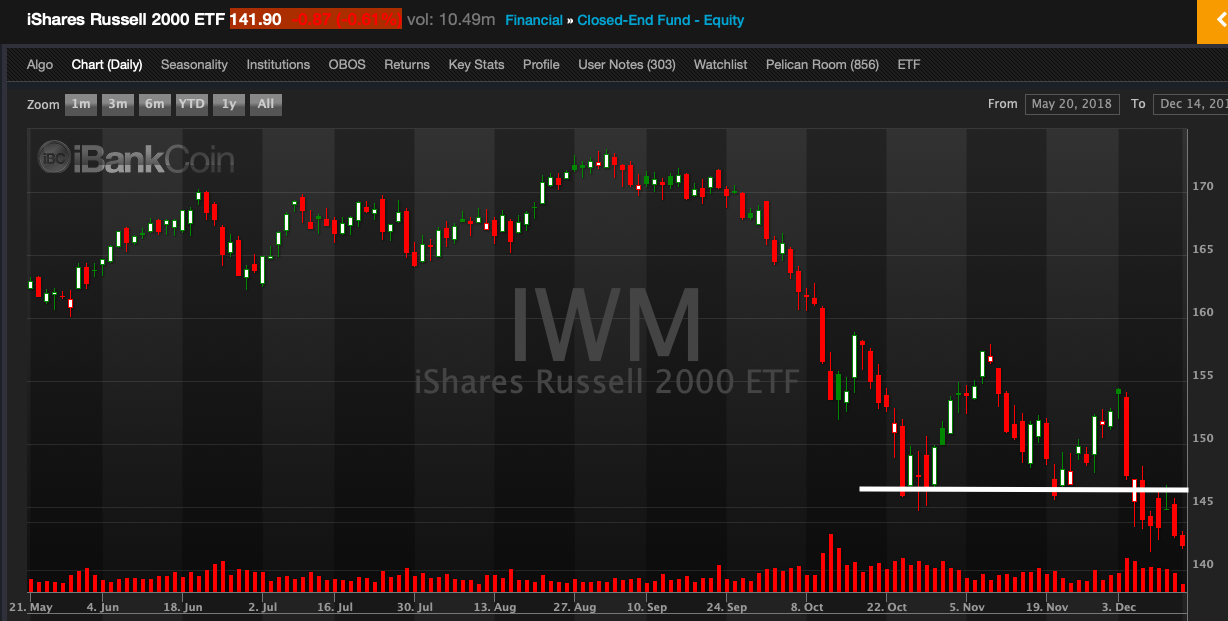
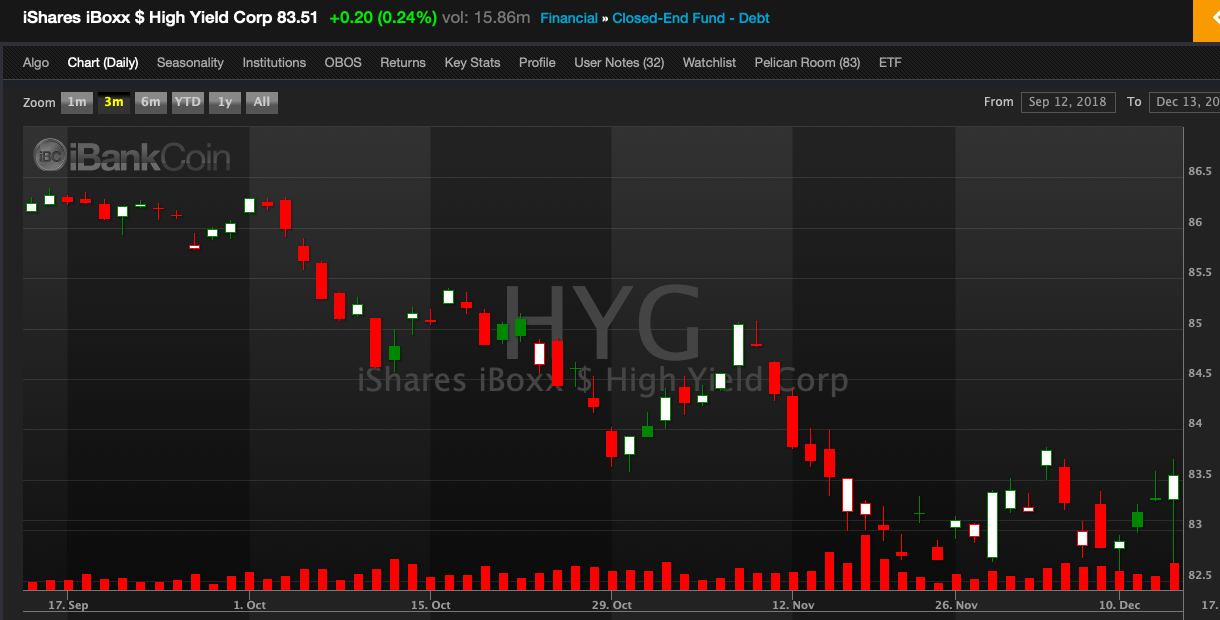
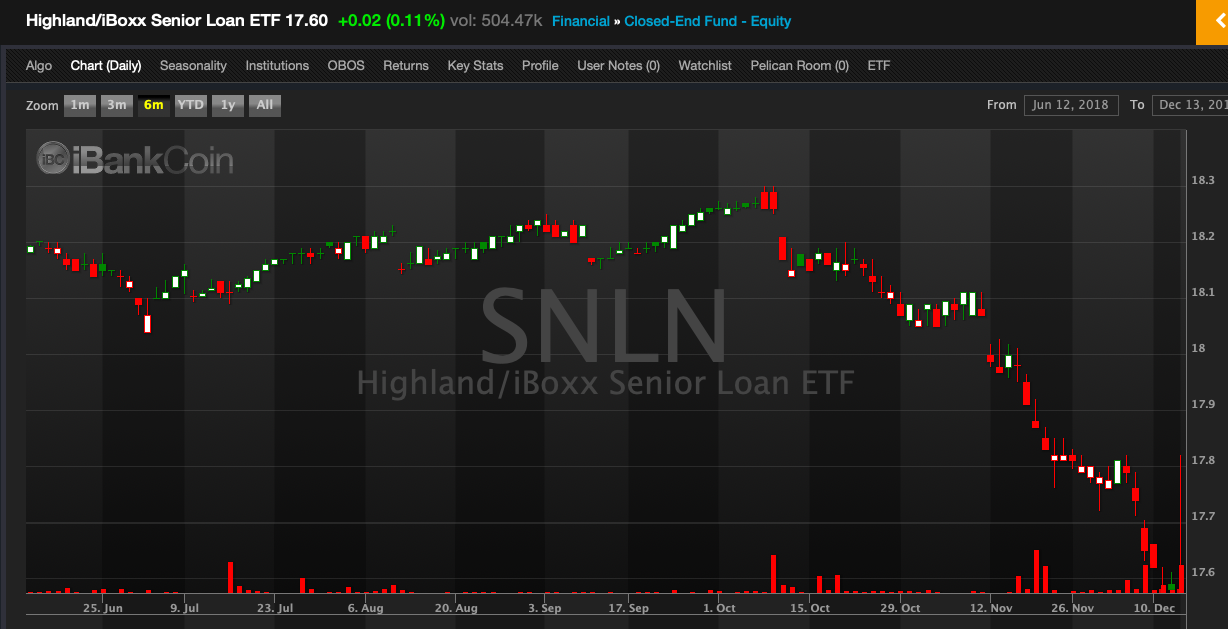
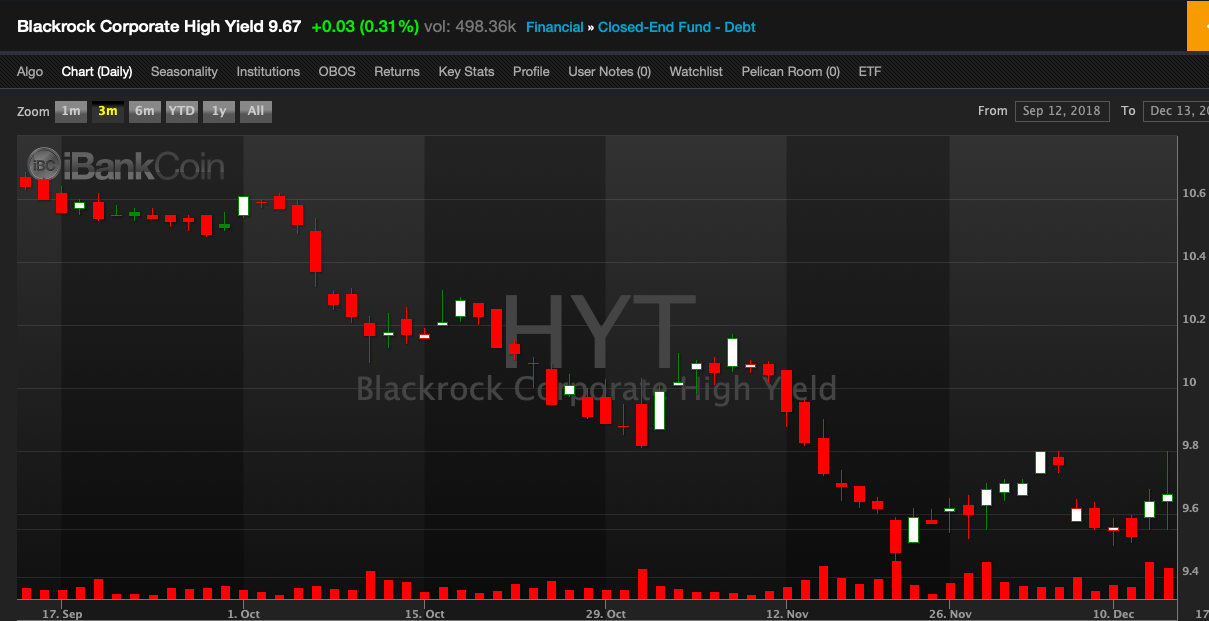
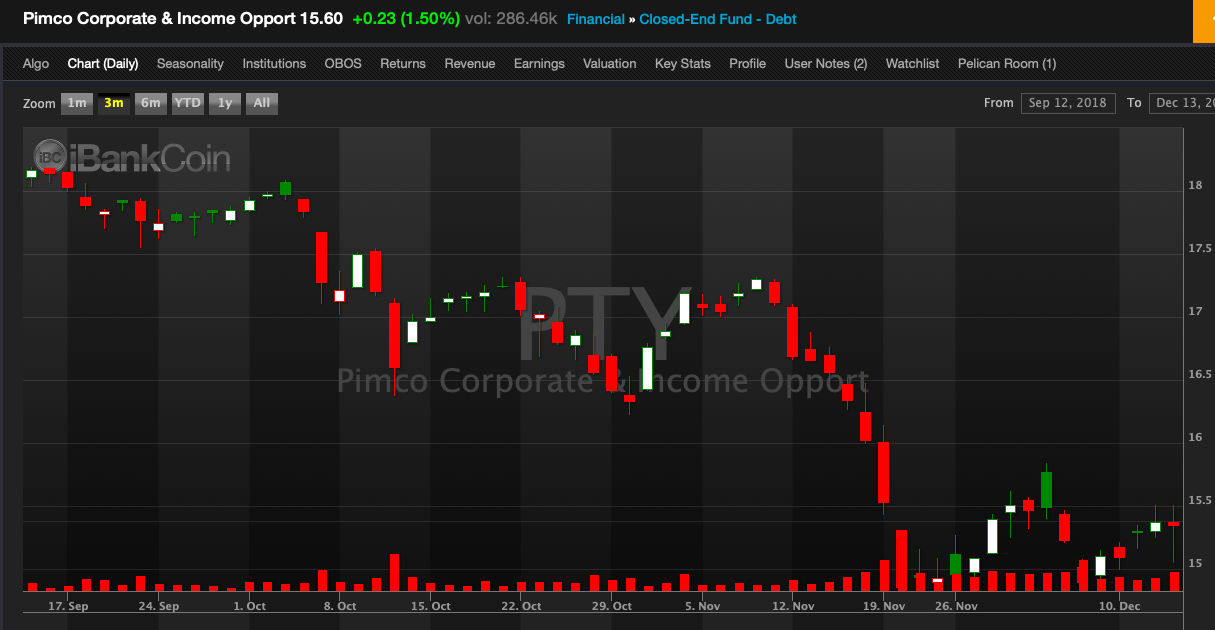
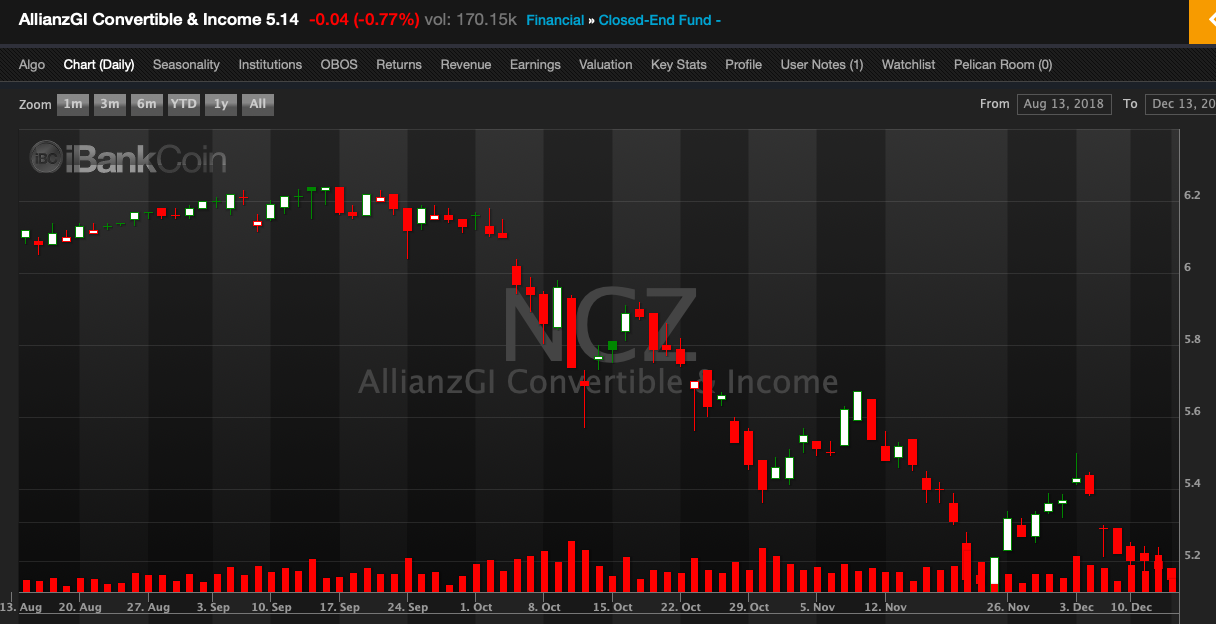
Don’t be ridiculous and keep believing this is an ordinary sell off. We have a full fledged rout underway, now braced with a burgeoning credit crisis in high yield. What’s at the center of these fears is a slowing economy. Bear in mind, the last two recessions were met with dramatic 70% declines in earnings.
At the same time, it’s wholly absurd to believe this is anything like 2008. Okay? Don’t always draw for those straws. Negativity is a cancer and infects the mind and turns people into ideologues. I have my opinions and am preparing for the worst — but price action is everything. This crisis can unfold this week, next month, 1 year, or 5 years from now. We will only know it when the prices show us it’s time to panic.
As of right now, I believe it’s time to entertain the idea that this could get significantly worse. Corporations have borrowed trillions of dollars the past decade, allocating most into share buybacks. This year alone, $200 billion in buybacks were made, effectively leveraging into businesses. The way this unravels is credit markets freeze, corporations forces to raise capital via secondary offerings — dilution CRUSHES the helmets of those long stocks.
But before we start telling that story, let’s figure out how to protect short term and long term accounts — something I am very focused on and will be talking about this week in Capstone.
Here are some quick ADD friendly bullet points.
Old, traditional, companies who pay dividends, like TR and PG, are attractive now — because the Fed might pause. If the Fed stops hiking, old man stocks can elevate because cost of capital will remain cheap, negating the premise for valuation contractions.
Maintain diversified in all sectors, including Utilities. Consider that major drawdowns are rare. In 1929 and 2008, the market dropped by 42% and 34%, respectively. In the 2000 market rout, the market only fell 11%, while the Nasdaq dropped much, much more. Diversification is the only way to invest long term.
Draw from two pools of stocks for your investments: conservative and growth. Whichever is outperforming is where you should stay focused.
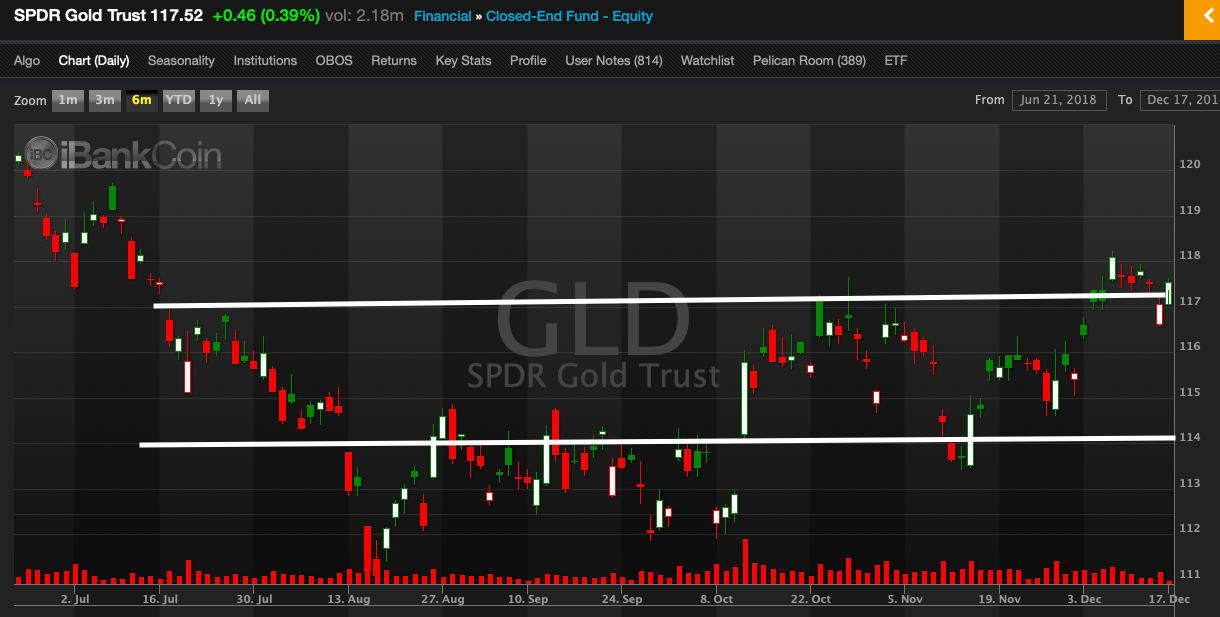
Hedge long term accounts with allocations into bonds (TLT) and gold (GLD). I know gold has been shit in recent years, but it has been performing much better and with BTC destroyed, it stands to draw in a lot of lost money looking for safe haven.
Inverse ETFs should be used for swing trades only. DO NOT hold them longer than 1 week — due to time decay. You can always buy them back.
Assume your initial purchase point will be wrong. Start positions small, no greater than 5%, and never exceed 15% of an overall account.
If you have a long term thesis for a stock, consider dollar cost averaging.
If you’re trading position is down 10%, ditch it. If your trading position loses it’s catalyst, you have to sell it. Review positions every single day and ask yourself “would I buy this today?” If the answer is no, you might want to sell it.
I can droll on about these rules you should follow. Some of the more experienced readers here are probably rolling their eyes at some of these — but, believe me, I have a lot of readers new to the market.
The number one rule in any bear market is to survive — live to fight another day. If you’re simply buying and holding — hoping for respite, you’re a victim.
Comments »