iBankCoin
Home / 2016 (page 342)

Yearly Archives: 2016

Asian Markets Add to Gains; European Futures Higher

Shorts over in Asia are getting their faces punched off, speed bag style. The NIKKEI is higher by 0.9%, Hang Seng 1.3% and China by 0.2%.

Over in Europe, futures are pointing to a 0.7% move higher and oil is up by another 1.4%–extending the biggest gain in 7 years.

All in all, the market is supposed to trade higher now–because cataclysm is always a low probability, suckers, trade. I’m looking for stocks to trade up until early February, at which point the seal of hell will be released and a demonic state of terror will grip indexes and drive them lower.

Until then, happy trading!

Comments »

Idiot Research Note of the Year: Commodity Rout Makes China a Big Winner

Okay, I take exception to this fucktarded analysis. This is chicken v egg analysis. In other words, China is saving a boatload of money ($480 bill per annum) because commodity prices have dropped. But, the only reason why they’ve dropped is because the Chinese economy has fallen off a cliff!

So, in other words, the consolation prize to having your arm cut off is that your fingers are in really good shape.

China’s annual savings from the commodities rout amount to $460 billion, according to calculations by Kenneth Courtis, former Asia vice chairman at Goldman Sachs Group Inc. About $320 billion of that is from cheaper oil, with the rest from other energy, metals, coal and agricultural commodities.

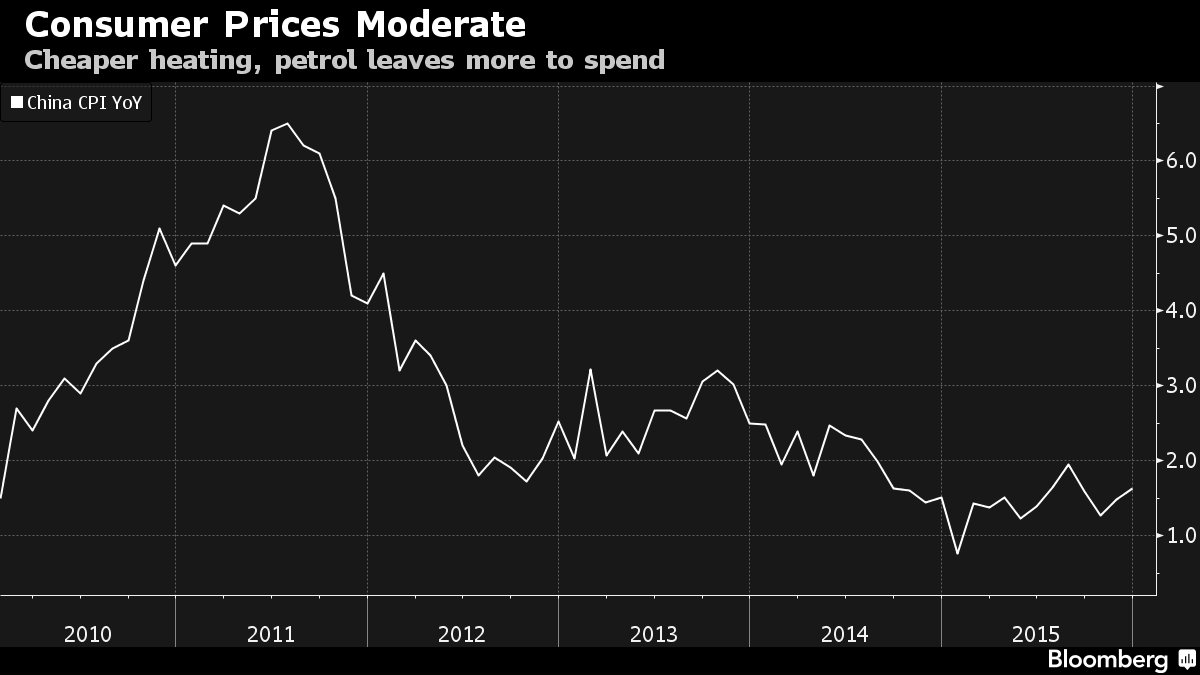
Benefits are rippling through the economy, pushing down or steadying prices of everything from home heating and petrol prices to the cost of raw materials at factories. That’s also boosting China’s efforts to recalibrate its economic growth model away from a reliance on heavy industries and investment toward consumption and services.

“It’s shown up in low consumer-price inflation and more stuff that households have been able to buy,” said Louis Kuijs, the head of Asia economics at Oxford Economics Ltd. in Hong Kong and a former World Bank economist in Beijing. “Manufacturing companies would have had even worse profit developments if it had not been for those low commodity prices.

Naturally, CPI is in the streets.

“china cpi

China is capitalizing on the lower prices, importing a record amount of crude last year as oil’s lowest annual average price in more than a decade spurred stockpiling and boosted demand from independent refiners. The country had record imports of iron ore, soybeans and copper concentrate last year.

How did that work out for all parties involved?

“China is the great winner from the crash of commodity prices,” said Courtis, now chairman of Starfort Holdings. “A significant portion of that windfall gain is being transferred to the domestic population.”

If China is a great winner in all of this, I’d hate to see what the losers look like, considering China has been forced to DRAW DOWN over $500 billion in FX reserves over the past year and has enjoyed the splendor of GDP growth, anchored at 25 yr lows.

To think people actually pay for research like this is unbelievable to me.

Comments »

An Overview of Stock Market Valuations

When stocks are ripping higher, everyone is a technical analyst. But when they’re going lower, most reasonable folks find religion and start to pay attention to valuations. After stocks rebound, they’re right back at the casino table–betting it all on black.

Using the Exodus Market Intelligence platform, I will provide you with a real time look at valuations, broken down by the 8 principle sectors.

All stats are median, not mean.

Basic Materials: PE: 15.9 (lowest since 2010), PS: 0.83 (last year was 0.8. After that, the next lowest valuation was in 2007), PB: 0.86 (lowest in the past 10 years)

Notable stocks: XOM, CVX, PTR

Consumer Goods: PE: 21.05 (nothing special), PS: 0.95 (lowest since 2011), PB: 2.25 (lowest since 2011)

Notable stocks: PG, BUD, KO

Financials: PE: 15.01 (lowest since 2011), PS: 3.15 (nothing special), PB: 1.13 (last year was 1.10, the next lowest valuation was in 2010)

Notable stocks: HDB, WFC, JPM

Healthcare: PE: 25.12 (significantly elevated since 2012), PS: 2.71 (lowest since 2008), PB: 2.66 (lowest since 2010)

Notable stocks: JNJ, NVS,  PFE

Industrial Goods: PE: 17.7 (lowest since 2011), PS:  0.79 (lowest since 2007), PB: 2.12 (nothing special)

Notable stocks: BRK,  GE, MMM

Services: PE: 17.2 (lowest since 2011), PS: 0.75 (lowest since 2011), PB: 2.07 (nothing special)

Notable stocks:  AMZN, WMT, DIS

Technology: PE: 22.9 (lowest since 2011), PS: 1.52 (lowest since 2010), PB: 2.13 (lowest since 2011)

Notable stocks: AAPL, GOOGL, MSFT

Utilities: PE: 19.6 (significantly elevated since 2011), PS: 1.7 (trading at premium), PB: 1.59 (lowest since 2011)

Notable stocks: NGG, DUK, NEE

Inside the platform, members can drill down to individual industries, amounting to over 200.

Conclusion: cheap, but not that cheap.

Comments »

North Dakota Sour Sells for Nearly $00.00 Per Barrel

Because of all of the great sweet oil finds in N. Dakota over the past 10 years, sour crude–a varietal of low quality, high sulfur caliber shit oil, has become the deformed step brother of the oil rich state–now comprising just 7,400 barrels daily out of a total of 1.1 million.

Several years ago, sour crude fetched for $47. As of Friday of this week, Flint Hills resources were willing to pay just $1.50–not including shipping expenses.

Back in 2011, the pipeline companies told sour crude producers to fuck off and to find other methods to ship their disgusting forms of fossil fuels.

Flint Hills Resources LLC, the refining arm of billionaire brothers Charles and David Koch’s industrial empire, said it offered to pay $1.50 a barrel Friday for North Dakota Sour, a high-sulfur grade of crude, according to a corrected list of prices posted on its website Monday. It had previously posted a price of -$0.50. The crude is down from $13.50 a barrel a year ago and $47.60 in January 2014.

While the near-zero price is due to the lack of pipeline capacity for a particular variety of ultra low quality crude, it underscores how dire things are in the U.S. oil patch. U.S. benchmark oil prices have collapsed more than 70 percent in the past 18 months and fell below $30 a barrel for the first time in 12 years last week. West Texas Intermediate traded as low as $28.36 in New York. Brent, the international benchmark, settled at $28.55 in London.

“Telling producers that they have to pay you to take away their oil certainly gives the producers a whole bunch of incentive to shut in their wells,” Andy Lipow, president of Lipow Oil Associates LLC in Houston, said of the price that was posted as negative until Flint Hills revised it on Monday.

Similar agony can be experienced in Canada, amongst a slew of low end oil producers.

Oil is a worthless trash form of energy. Long live the windmill.

Comments »

SHAKE SHACK HAS BEEN DESTROYED BY THE SNOWPOCALYPSE

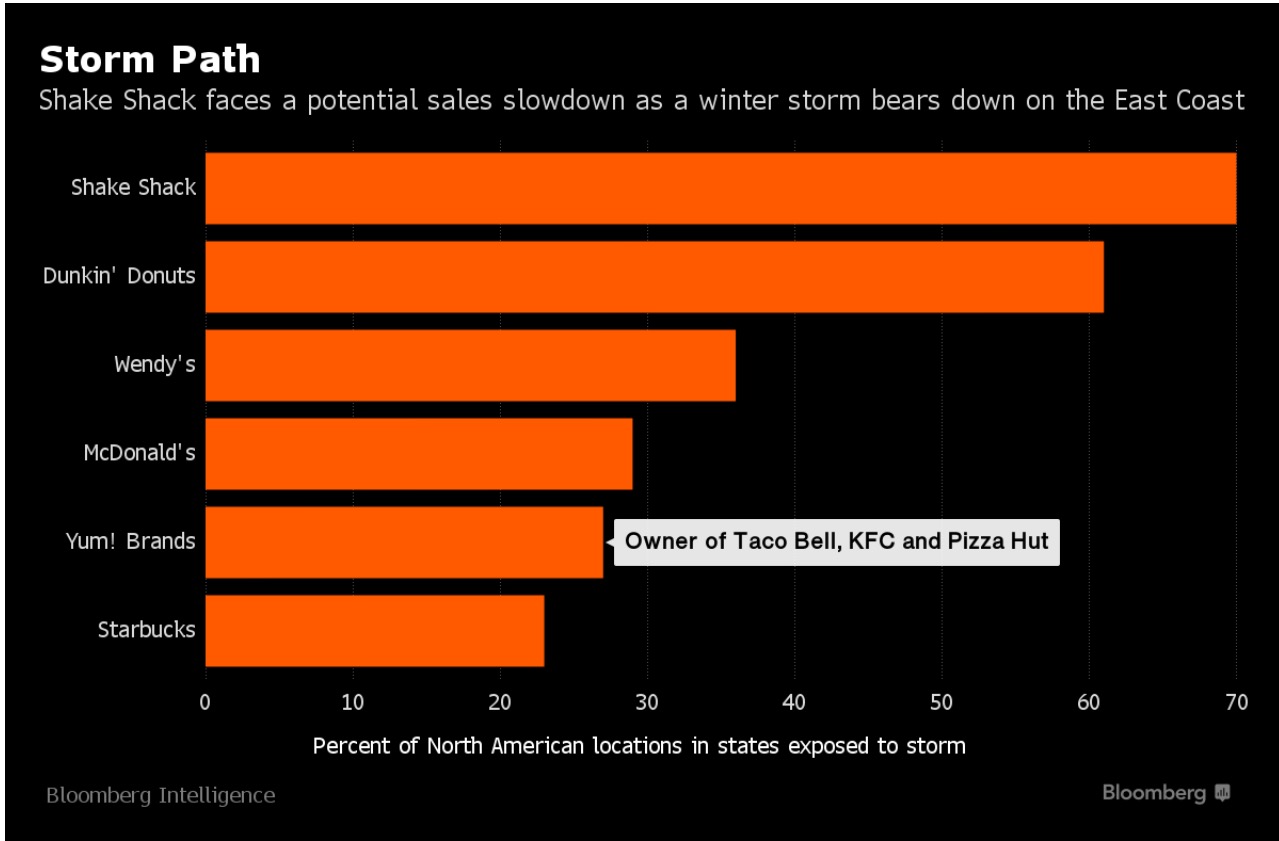
SHAK is my only personal stock holding and I am saddened to report that 70% of the company has been destroyed by the great blizzard, dubbed Jonas, of 2016.

image

That’s right, pal. Seventy percent of SHAK eateries are now buried under 30 inches of snow. The Governor of NY has imposed a travel ban, which means that if you’re found driving a car in New York, police officers–armed with machine guns–have the authority to arrest and toss you into a raping jail cell.

Martial law is in effect, which is inexorably a net negative for the hamburger lovers of NYC.

BEHOLD THE HORRORS OF CONCRETE SNOW.

Comments »

Saturday Cinema with Le Fly: Ip Man

This is a great martial arts movie, not like some of the B-grade crap we used to watch every Sunday afternoon on the teevee.

It’s allegedly based on a true story– when the evil Japanese invaded and occupied China; there was 1 man who gave zero fucks and was capable of kicking them in the face.

Also, he was Bruce Lee’s grandmaster, King of all kung fu.

Great action film.


Comments »

WHAT A RELIEF, MAN!

Markets surged higher today, with almost 90% of stocks participating in the rally.

Oil traders rejoiced in the splendor of a 9% surge in WTI, popping champagne bottles filled with light sweet crude and spraying it in each other’s faces at the close of trade. It was a relief rally, the very definition of the term.

Markets are still lower by 7.5% for the year and the vast majority of stocks are still lower double digits.

Where do we go from here?

With my money, I am levered long SPY. I sold out of some yesterday and a little more today–but still have a margin balance–due to my 25% weighting in TLT. I will be unwinding the entire SPY position, methodically, until 2/2. Details of the plan are in the blog section of Exodus.

Year to date, my losses are less than 3%. I’ve managed the rout with exemplary precision and will work towards moving from red to black over the next few weeks, maybe less.

Comments »

Stock Art: By Far the Dumbest Shit I’ve Seen in Years

Don’t get me started on the world of art. Believe me, I enjoy art more than most. But this is the sort of shit that makes me pray to the Gods for complete destruction to strike down the art collections of the morons who bid for them.

This child of 24 years of age, is holed up in a NYC art studio, losing 10’s of thousands of dollars trading in the apocalypse, while drawing squiggly lines on canvas and selling them to submentals for 10k a pop.

What sort of shit is this?

A privileged spoiled brat is “doing art”, while losing vast sums of dollars in the stock market. The fuck.

Comments »

Depleted Credit Lines Might Leave Banks Holding the Oil Wells

A bloomberg analyst broached this discussion today. She was a little naive in thinking the silly little bankers, who’ve been bending everyone and everything over a barrel for the past 17,000 years, were just going to cede to the oil companies and give them all sorts of money–that would be flushed directly down and into a toilet bowl.

That’s not exactly how it works.

The credit lines are tied to the value of the property. If the properties are some backwards wells in the Bakken and they depreciate: banks will decrease the line of credit. Right now, as is the case with CHK cutting their divvy payments for their preferred stock–saving $170 mill in the process to be earmarked for buying back distressed debt–energy companies are deciding whether to draw down credit lines to buy back debt –trading at bankruptcy prices–or draw it down to extend their lives.

In other words, do you buy back the debt and hope for higher crude, or keep cash in the bank and wait it out–perhaps missing an opportunity to retire debt at 50 cents on the dollar?

She seems to think the banks are morons, beholden to collateral values when crude was $100. If oil companies draw down their lines of credit and go bust, banks have first claim to assets and will own the wells–just like they owned the houses in 2008.

Is that a good thing for banks? Probably not. But they’ll make it through the other side.

Comments »

Citi: Quantitative Tightening Has Been Driving Stocks Lower

Sometimes the most simple explanations are the best, and also the least expected.

Citi is out with a note suggesting that recent turmoil in foreign currencies is forcing these disheveled governments to pare down their FX reserves, sell U.S. Treasuries, in order to help defend their own currencies. The result has been one of extraordinary tightening, leaving stocks in the sewer, floating about with the rats and feces.

A siphoning of the global liquidity punch bowl is fueling the 2016 downdraft in global equities, says Matt King, Citigroup Inc.’s head of credit product strategy, jumping on a thesis first promulgated by Deutsche Bank in September.

Individual stock markets aren’t responding primarily to domestic liquidity conditions but rather to the state of monetary policy globally, King reasons.

Although direct economic linkages between emerging and developed markets are minuscule, in many cases, all equity markets have been affected by central bank stimulus—leaving them interconnected as the provision of liquidity becomes less ample.

After global stocks crumbled following the relatively small devaluation of the Chinese yuan in August, Deutsche Bank’s George Saravelos floated the idea that sales of foreign exchange reserves by emerging-market central banks, particularly China’s, were the driving force behind this turmoil.

Central banks in the developing world have divested some of their foreign exchange reserves in an attempt to prop up the value of their domestic currencies amid the carnage in commodity prices. This development, in theory, puts upward pressure on U.S. Treasury yields as central bankers sell the debt, effectively tightening global liquidity and weighing on risk assets.

“Previous doubts as to whether such ‘quantitative tightening’ mattered for developed markets have unfortunately been addressed, at least in an empirical sense: the quality of the correlation speaks for itself,” he wrote.

Emerging market central bankers are draining liquidity even as their peers in Europe and Japan are refilling the punch bowl, King observes, causing the pace of net purchases to decline considerably:

Spreads on junk-rated corporate bonds also closely track total central bank liquidity, according to Citi.

“The fact that global central bank liquidity correlates so well with market movements raises a number of awkward issues,” the strategist writes. “Not only does it point to further downside if money continues to leave emerging markets,” he says; it also may “suggest that [developed market] central banks are not fully masters of their own destiny.”

In conclusion, we live in a global economy, one that is interlocked with one another. The domino effect is real and or central bank is to blame for the FX disaster. If the Fed would back off and foster a weaker dollar environment, the spigot would be turned on and we’d enjoy a 1,000 point rally.

Comments »