
iBankCoin
Home / 2016 (page 304)

Yearly Archives: 2016

Poof: Unicorn Valued at $2.7 Billion Last Month Has Filed For Bankruptcy

Expect to see a great deal of these over the coming months. A vast ocean of moronic start ups have been funded by equally moronic venture capitalists, in their never ending quest for stardom and riches, thrusting their ponzi schemes upon the drug addled investment banks, who then sell them to an inept retail and institutional client base. This, of course, is how many of the famous VCs got rich over the past decade.

Dare I say, the party is over. The pain has yet to begin.

The e-commerce startup, valued at $2.7 billion just a few months ago, went bankrupt on Friday. On Tuesday, it laid off 74 people from its 311 person staff.

The London-based Powa had been hailed as the crown jewel of British tech scene. Its CEO Dan Wagner boasted that Powa would become “the biggest tech firm in living memory.” It was one of only two “unicorns” — the term for private companies valued at more than $1 billion — in the UK, according to data from PrivCo.
Powa created a mobile payment app and point of sale terminals for retailers. Wagner’s goal was to create a payment system that would provide a “seamless experience across all purchase channels.”

The company was also working on “point and click” technology that would allow users to buy a product after scanning its special “PowaTag” that would be printed in advertisements.

In 2013, Powa secured what was then one of the biggest investments ever for a British startup. It raised $175 million in just a year and half, with Boston-based Wellington Management among the leading investors.

The company expanded quickly, setting up offices in exclusive locations in London, New York, and several other cities around the world. But it failed to win customers, and never became profitable.

Reports about Powa missing payments to its staff and contractors started emerging late last year. On Friday, Powa officially went into administration.

It’s just the latest unicorn to hit the skids. Late last year, Jawbone, Evernote and Tango all saw layoffs, and the valuation of high-profile companies like Snapchat and Dropbox have been publicly questioned. Investors have warned that the tech bubble could burst.

Deloitte, which was appointed as the administrator of Powa on Friday, said Tuesday’s layoffs were necessary. “It has not been possible to continue running the company at its current capacity,” it said in a statement.

Deloitte said it is looking for buyers for the company.

How could such a thing happen, you ponder? Leverage. This company, like many others, were built to scale quickly and to be sold to the highest bidder. In the time it took a traditionally run company to scale and amount to billions of dollars in valuation, these companies did in a fortnight–succored by an outrageously corrupt cadre of mountebanks, whose sole purpose in life was to market unprofitable tech start ups to an unsuspecting public for self-aggrandizement. These unicorns were never conceived or operated to be profitable/real businesses, but vehicles to trick and deceive others into increasing the size of their holdings.

The game has ended. The weak shall be washed away.

Comments »

The Great Debt Wall Looms; Energy Companies Will Perish Under the Mortar

Sandridge rejected payment on their bonds last week, putting into question the viability of that organization who is saddled with $7.5 billion in debt.

S&P estimates bond holders are likely to be almost completely wiped out in the next wave of defaults to the tune of 90%. These are harsh drawdowns, even for highly distressed companies, indicative of the fact that the collateral by which these loans were secured are all but worthless.

DebtWall

Banks are setting aside more money to cover potential losses on souring energy loans. S&P estimates that credit lines to these companies could be cut by 30 percent by April, when banks conduct one of their twice-yearly evaluations of their loans.

“We are at the very beginning of the next wave of energy defaults,” said Paul Halpern, chief investment officer at Versa Capital Management, which manages about $1.5 billion of distressed debt.

Of the $197 billion in shale oil debt, $101 billion is considered to be junk, a number that is sure to climb. Moreover, a number of likely defaults in the United States haven’t been this perverse since the wonder years of 2008-2009, whereby we all enjoyed the indefinite suspension of western finance.

According to data provided by Exodus, the following companies are very likely to default on their obligations.

SDRL: $12 billion
CHK: $11.6 billion
PAGP: $11 billion
LINE: $10 billion
CRC: $6.4 billion
BTU: $6.2 billion
WLL: $5.2 billion

In all, the amount of debt likely to be reorganized over the next 5 years could top a trillion dollars.

Comments »

Cramer: We’re Gonna Have a Recession Because of the Fed

Markets were rescued today thanks to the rally in crude oil. However, the minor adjustment upwards in the price of crude will do nothing to stabilize the balance sheets of the countless companies currently under duress.

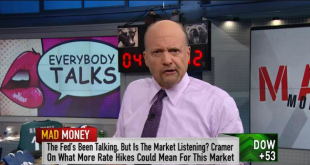
During tonight’s Mad Money episode, Jim Cramer delved into the topic that I’ve been so keen to elaborate on: Big mouthed Fed officials yammering on and on about the virtues of this ridiculous economy, suggesting that normalization (aka rake hikes) were not only the right thing to do, but vital– in our imaginary battle against the pangs of inflation.

Cramer not only denounces these action by the Fed, but also suggests their implicit actions might be at the vanguard of ambushing investor sentiment, which may very well cause the recession they’re so intent on avoiding.

Plainly, fuck the Yellen Fed.

Comments »

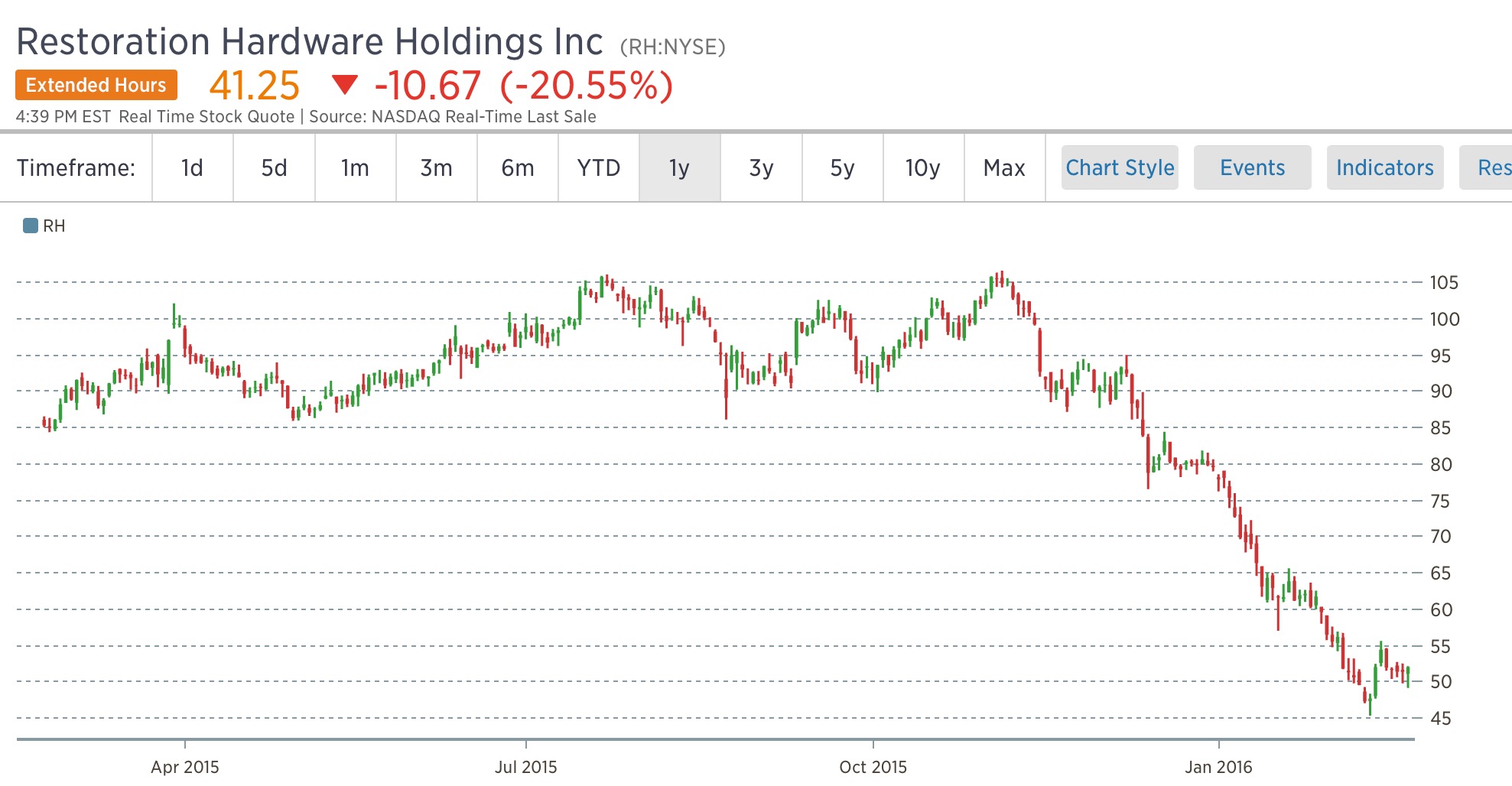
Lights Out For $RH; Stock Plummets After Huge Earnings Miss

Congrats to Junglegirl for being a very early hater of RH. She’s been deriding it in Exodus for a long time.

This is a deplorable company, whose fashionable approach to conference calls makes me sick. The high end furniture market is, seemingly, in flux.

image

Via Briefing.com

Restoration Hardware guides Q4 well below consensus
Sees Q4 adj. EPS $0.99 vs $1.39 Capital IQ Consensus Estimate; revs +11% to $647 mln vs $710.85 mln Capital IQ Consensus; comp brand rev +9% vs. ests near +19%.

There are three key factors that had a negative effect on our fourth quarter results, along with several positive developments that give us tremendous confidence in our long-term growth strategy.

“First, our demand sales/written orders were up a strong 21% in the fourth quarter on top of up 26% last year. Our delivered revenue, however, was up only 11% in the quarter on top of up 24% last year, representing a shortfall to our plan. While the initial response to RH Modern has been outstanding, we are experiencing shipping delays as certain vendors are struggling to ramp up production of this new product line. We expect the majority of the demand/written orders to turn into revenues in the first and second quarter, and anticipate our vendors will be substantially caught up by the end of the first half.

Additionally, we believe the poor in-stocks also suppressed orders, and we expect demand to build as our in-stocks improve.
Second, we continue to see underperformance in markets affected by energy, oil, or currency fluctuations. The Canada, Texas and Miami markets were a drag of 2 points to total Company revenues in the first half, then accelerated to a 4 point drag in the third quarter, and continued as a 4 point drag in the fourth quarter despite increased promotional efforts, including reduced shipping charges to incentivize our Canadian customers. These results tell us the conditions remain weak in these markets and in aggregate they are trending 20 points below the rest of the Company. Looking forward, we will begin to cycle the underperformance, and the negative drag should be mitigated.

Third, our attempt to drive incremental revenue through increased promotional activity in the fourth quarter was less successful than in prior periods, signaling a further pullback by the high-end consumer. Our sense is the increased volatility in the US stock markets, especially the extreme conditions in January, which is historically our biggest month of the quarter for furniture sales, contributed to our performance. Historically, our business has a correlation to large movements in stock prices as we believe asset valuations influence our customers’ buying patterns.”

This is a crushing earning miss. It will, and has already, begun to affect peers, like WSM and BBBY. It’s important to note that the stock was already down 40% over the past 12 months, entering this call.

Lights out for RH. Reset and try again.

Comments »

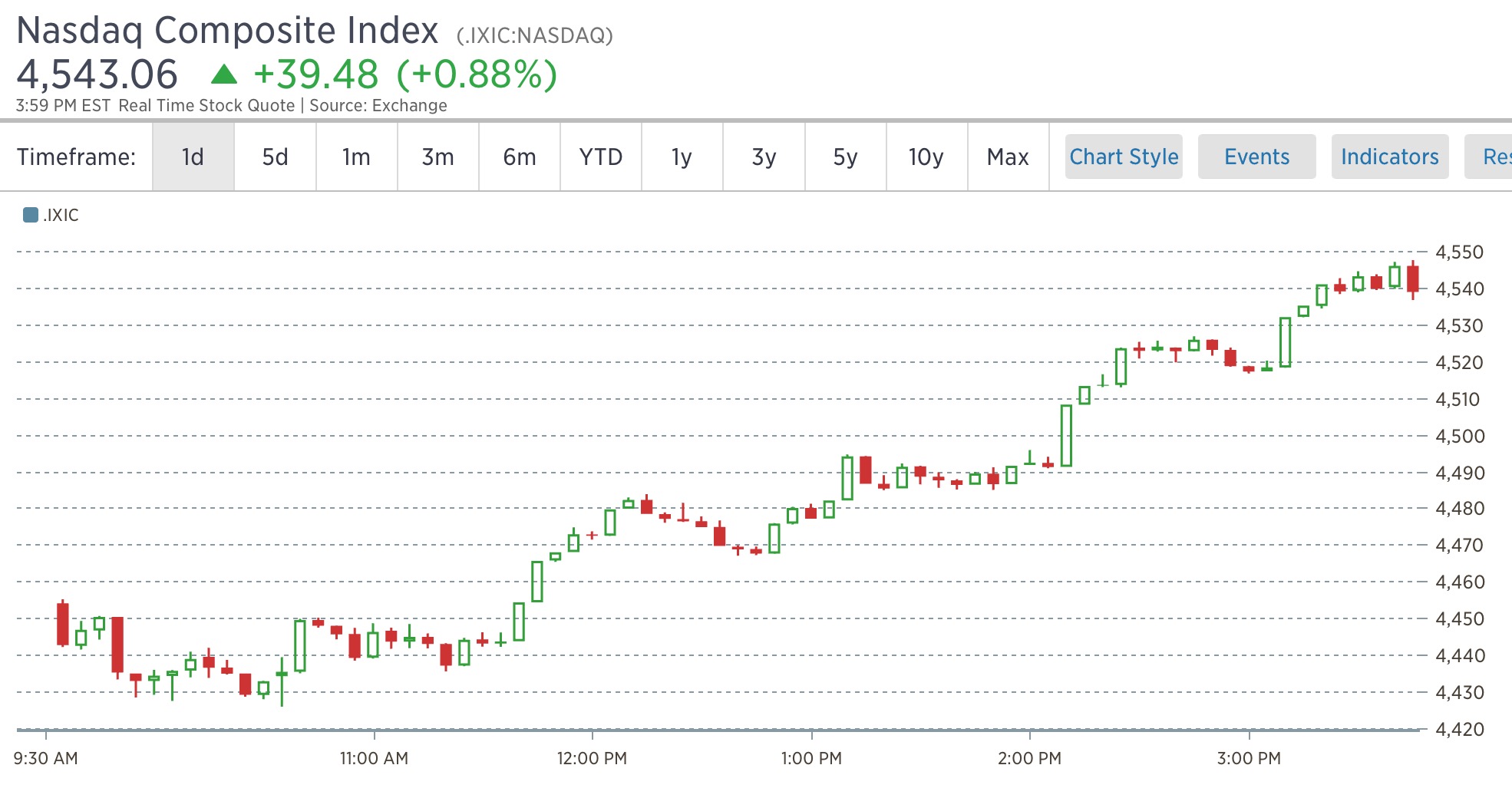
Stocks Reverse 265 Point Decline to Close Sharply Higher

In the old days I’d call a rally like this a ‘key reversal.’ Now, it’s just another day at the office.

Stocks, genuinely, wanted to die this morning. But, apparently, markets weren’t done going higher. Oil surged ahead; and then a few hours later, stocks decided to join the party.

image

If you’re a bull, this is precisely what you wanted. Investors added bricks to the wall of worry in the early hours. The media, myself included, threw gasoline on an already hot fire, suggesting the market was finished.

It was not.

Impressively, stocks ignored everything and surged higher, purging all of the marginal believers from its ranks. If you made a lot of money today, congratulations. You deserve all of the ambrosia the Gods have to offer, dealing with this treacherous, sordid, game of smoke and mirrors.

One thing to bear in mind and is worth repeating to your colleagues at to dinner table this evening: breadth stood at a very paltry and pedestrian 65% today. This measure means the gains were narrow, petulant, and fleeting.

Comments »

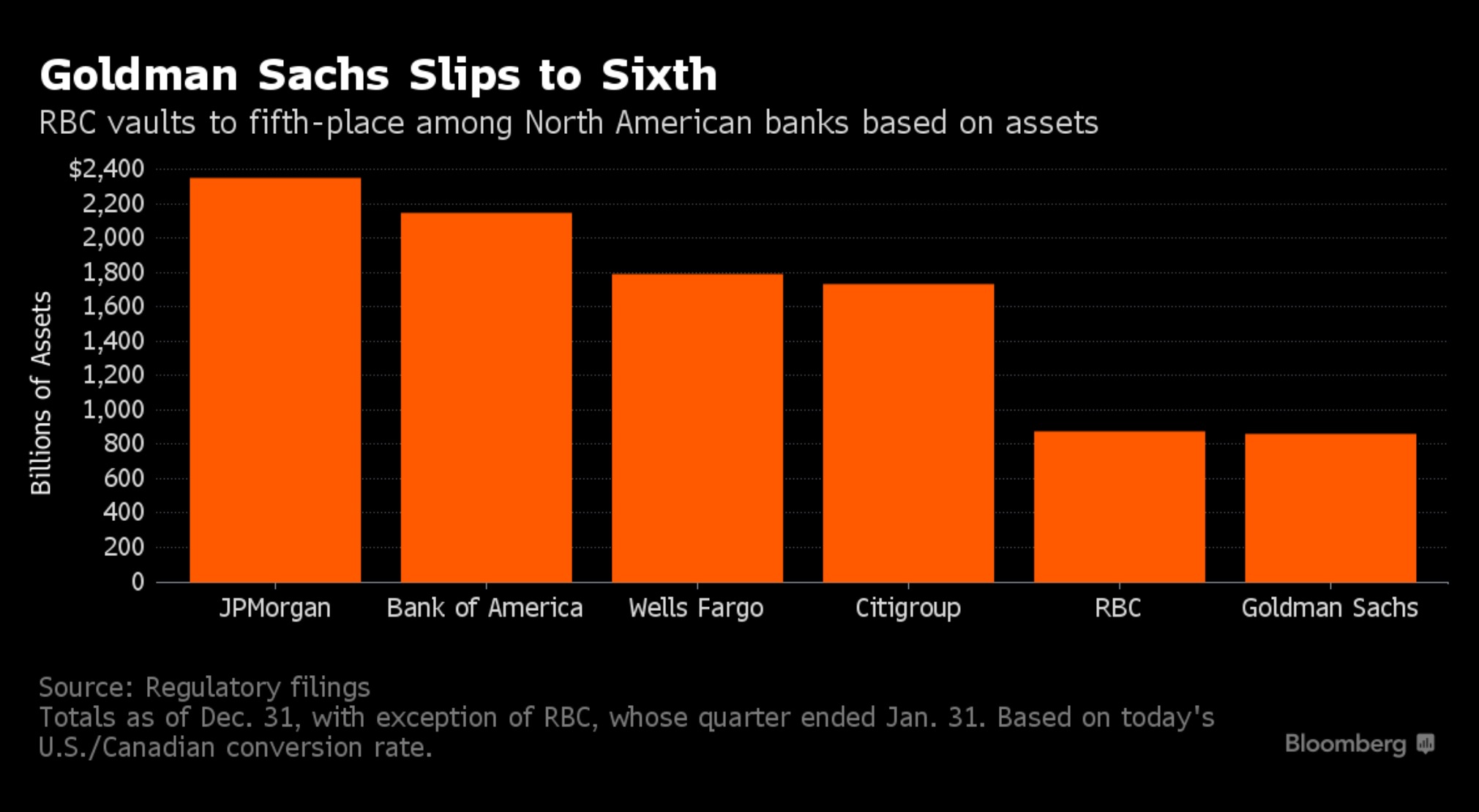
Goldman Slips to 6th Largest Bank, Behind RBC

This has little to do with stock prices, as both stocks have performed equally dreadful, giving birth to 30% losses over the past nine months.

However, assets have increased enough at RBC, likely due to onerous US regulatory conditions, to become the 5th largest bank in N. America, moving past the heralded Goldman.

image

Comments »

Oil Rises Like a Bat Out From Hell; Stocks Slavishly Follows

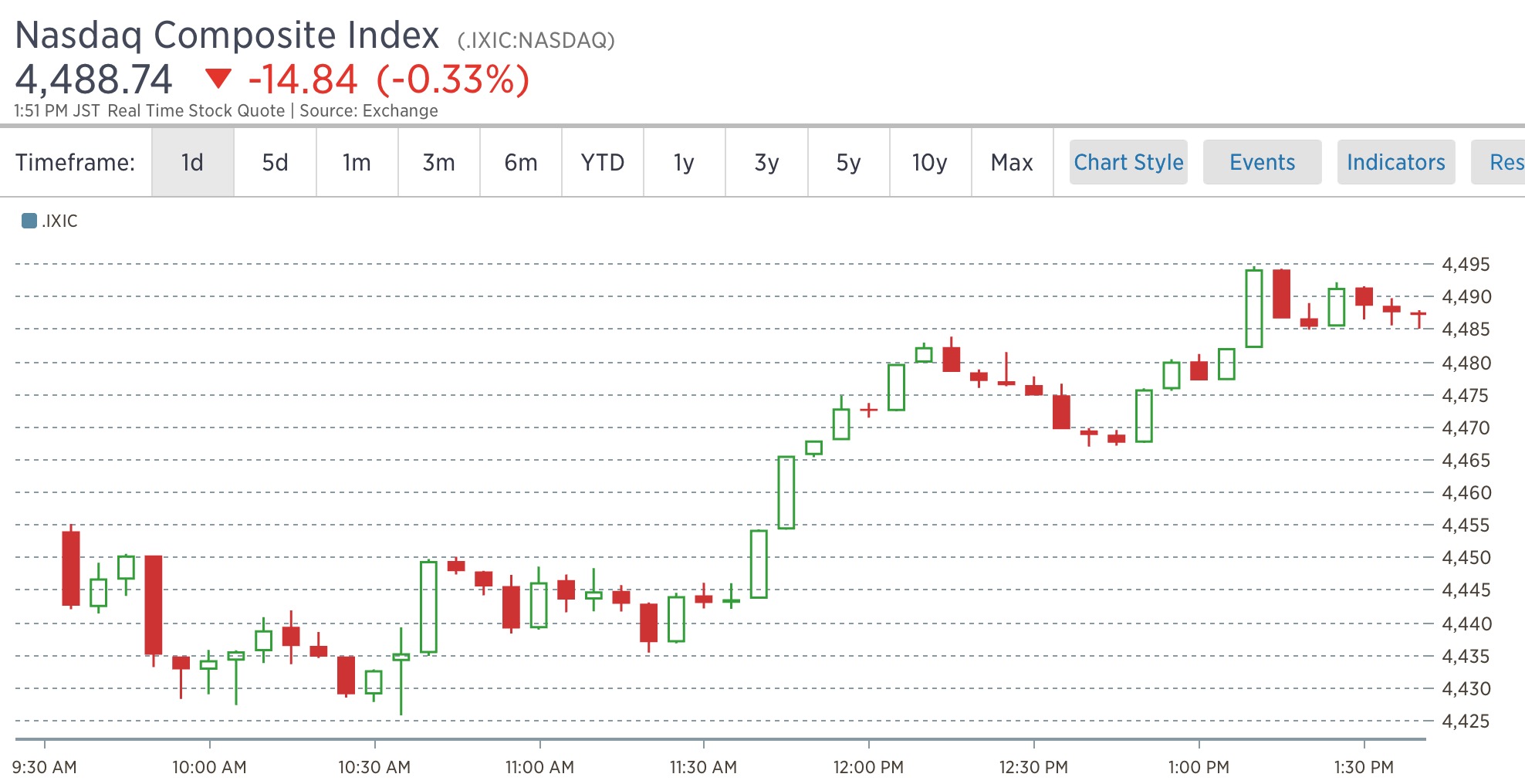
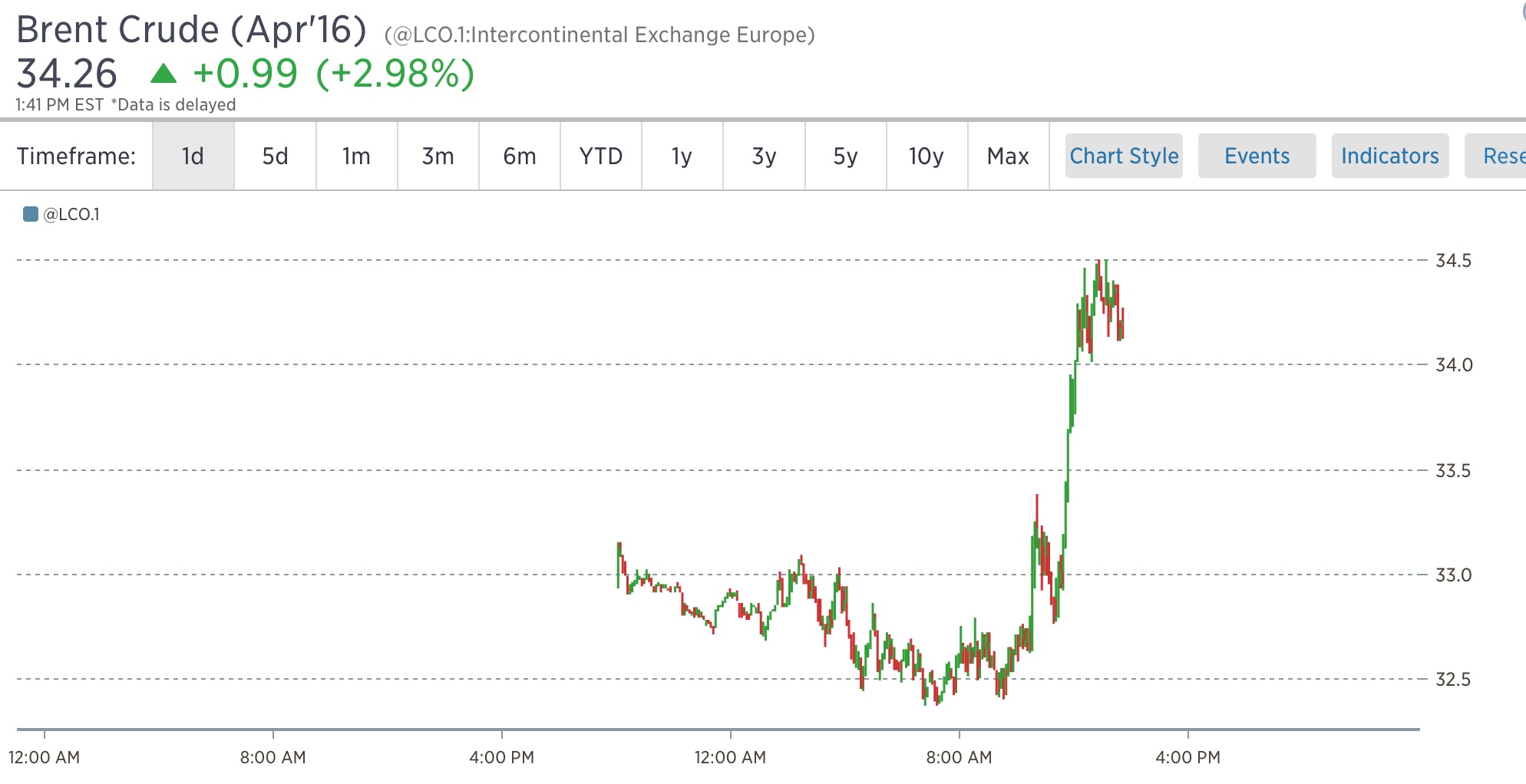
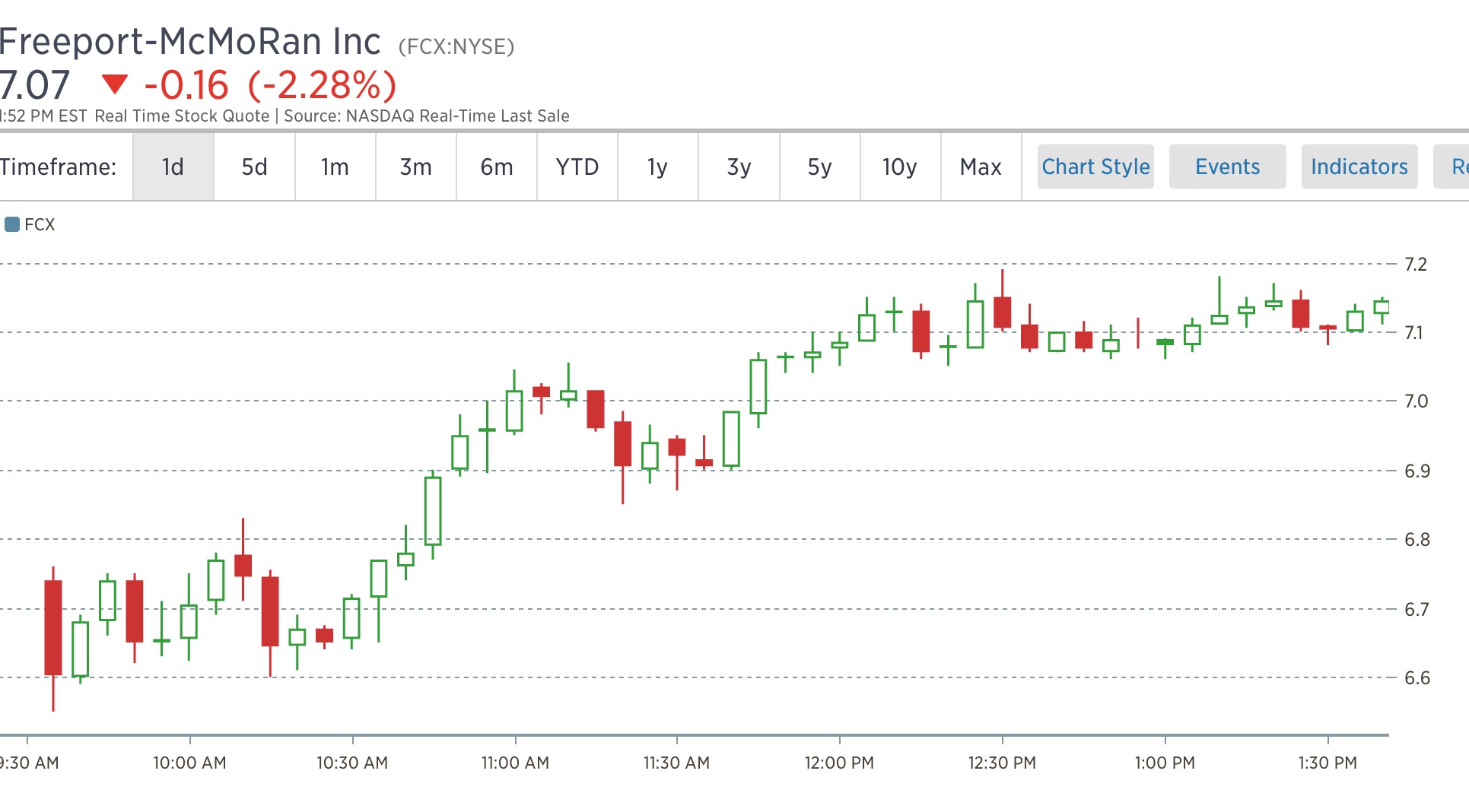
Brent crude reversed losses and has since traded appreciably higher. The net result of poor inventory numbers was a short squeeze. As such, crude traded up and dragged the market with it.

image image image

The relationship between crude, the Nasdaq, and finally the all important risk assets, such as FCX’s stock price, demands to be noticed. They are one in the same, a phalanx trotting along the same road, but at different speeds.

All that said, breadth is still dreadful, TLT is still up, and gold is still pressing higher.

I’m very pleased to see stocks halve losses and people get another chance to sell and to buy some TLT. After all, I still have some SPY exposure and I’d be bereft of decency if I were to root on for the capitulation of my neighbor.

But this isn’t over yet. Stocks are slavishly following crude for a reason, not by chance. Back in 2008, stocks followed banks down and up, like a dog shadowing its owner. The same corollary is taking place now with energy related stocks, the underlying commodity and lastly the SPY.

A gathering storm is coming.

Comments »

Shareholders of $SLCA Have Been Placed on the Catherine Wheel

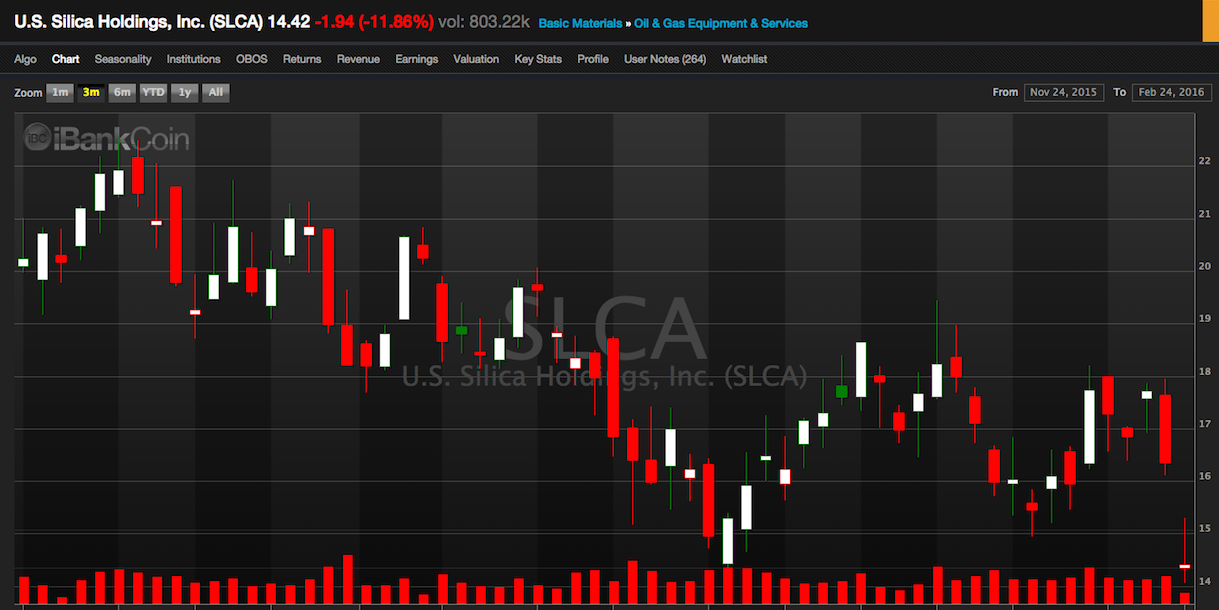
I am surprised this stock hasn’t derailed and plunged into single digits, like their peers FMSA, EMES and HCLP. However, today’s conference call and subsequent remarks are certainly helping their prospects to achieve this unwanted predicament.

slca

Via Briefing.com

  • Co said that in spite of all the turmoil caused by lower oil price, U.S. Silica became a safer, stronger and more competitive company in 2015
  • Co maintained its strong balance sheet ending the year with almost $350 million in liquidity and generated operating cash in excess of our capital expenditures for the year
  • Co also returned a ~$42 million directly to shareholders in 2015 by stock buybacks and dividends
  • Co believes that its strong balance sheet will enable it to navigate the current environment, strengthen its market position and ultimately capitalize on the business opportunities its markets present while enabling U.S. Silica to emerge even stronger as a company when oil and gas markets recover
  • Clearly, the main point here is, the co believes it will weather storm
  • Weaker market conditions and an extremely competitive environment drove lower revenue in Oil and Gas for the quarter as rig count continued to decline and pricing pressure persisted
  • As is typical, revenue also declined sequentially for its Industrial and Specialty Products segment in Q4 due to the seasonality of its larger end markets, such as glass and building products
  • Sales volumes in oil and gas for the quarter declined just 4% sequentially to 1.55 million tons as co leveraged its low cost operating model and robust distribution network to drive volumes and expand our market position.
  • Co’s industrial and speciality product segment had an excellent quarter, which enabled it to complete the best year in its 115 year history
  • Contribution margin of $15.2 million grew 13% compared with the prior year and increased 26% on a per ton basis
  • New higher margin products and favorable customer and product mix contributed to ISP earnings growth in the fourth quarter and for the full year.
  • In the oil and gas segment, co expects the rig count is expected to decline 30-35% from here during 2016
  • SLCA says it’s uncertain where rig count will bottom
  • Excess rail cars continues to be a significant drag on earnings
  • M&A is still in the mix withing their capital allocation plans. However, they will continue to remain cautious while looking
  • Co does not see any additional rail cars coming into their fleet in 2016. They will also looking into leasing
  • Co has about $5 mln in ‘lazy assets’ referring to its rail cars
  • RBC Capital Mkts lowers their SLCA tgt to $16 from $18; they expect SLCA to underperform tomorrow after reporting 4Q EPS well below Street expectations driven by substantially lower O&G contribution margins. Customers continue to buy sand FOB plant vs. in basin — leaving the frac sand industry’s rail capacity significantly underutilized. Frac sand volumes are likely to outperform the well count on the downside but pricing and margins will remain challenged throughout the year.
  • Cowen notes O&G volumes held flat sequentially (vs competitor down 14%), however CM/ton was lower than consensus. ISP volumes and margin also below consensus expectations, somewhat concerning as ISP has been an area of stability.

For the quarter, Silica reported a loss of 26 cents, which was 10 cents worse than already guided down estimates, and a stark 45% drop in revenues to $136 million. The market is calling supreme bullshit on any and all positive notes given by management.

Comments »

Today’s Market Decline is Sponsored by the Federal Reserve

It’s all very amusing to see these Federal Reserve employees, out and about, yammering about the virtues of raising rates. Without fail, each time they do this, the market drops, precipitously. By extension of this indelible fact and without question, the Federal Reserve is purposely trying to inflict monetary damage upon holders of equities.

From my vantage point, these dire circumstances superseded any seasonality strengths that I’ve been pointing towards– when discussing the specter of a rally. Without a shadow of a doubt, stocks wanted to trade up; and they would have if it weren’t for the Federal Reserve getting in the way, once again.

Under the backdrop of a looming crisis, both abroad and domestically, I am rescinding my calls for a large and protracted rally through April. I do, however, reserve the rights to change my mind again, should the atmosphere change. If there’s one thing that has helped me, more than anything else, it is my changeability when analyzing the market. I stridently reject the notion that opinions should be formed and adhered to, despite the facts on the ground moving from bad to worse.

The risks are clear, present and harbor grave dangers.

They are, as follows.

Commodity implosion

BREXIT fears

Federal Reserve devils

Bank exposure to bad debt

Presidential elections and the candidates who hate Wall Street

China and their chicanery

Russia and Syria

Slowing U.S. economy

FX turmoil

Good luck. Trade accordingly. God speed.

Comments »